This savory shrimp appetizer utilizes a zesty marinade to deliver bold flavor without the need for a separate dipping sauce. It is a fast-cooking dish that works well for guests who prefer a light and flavorful seafood starter.
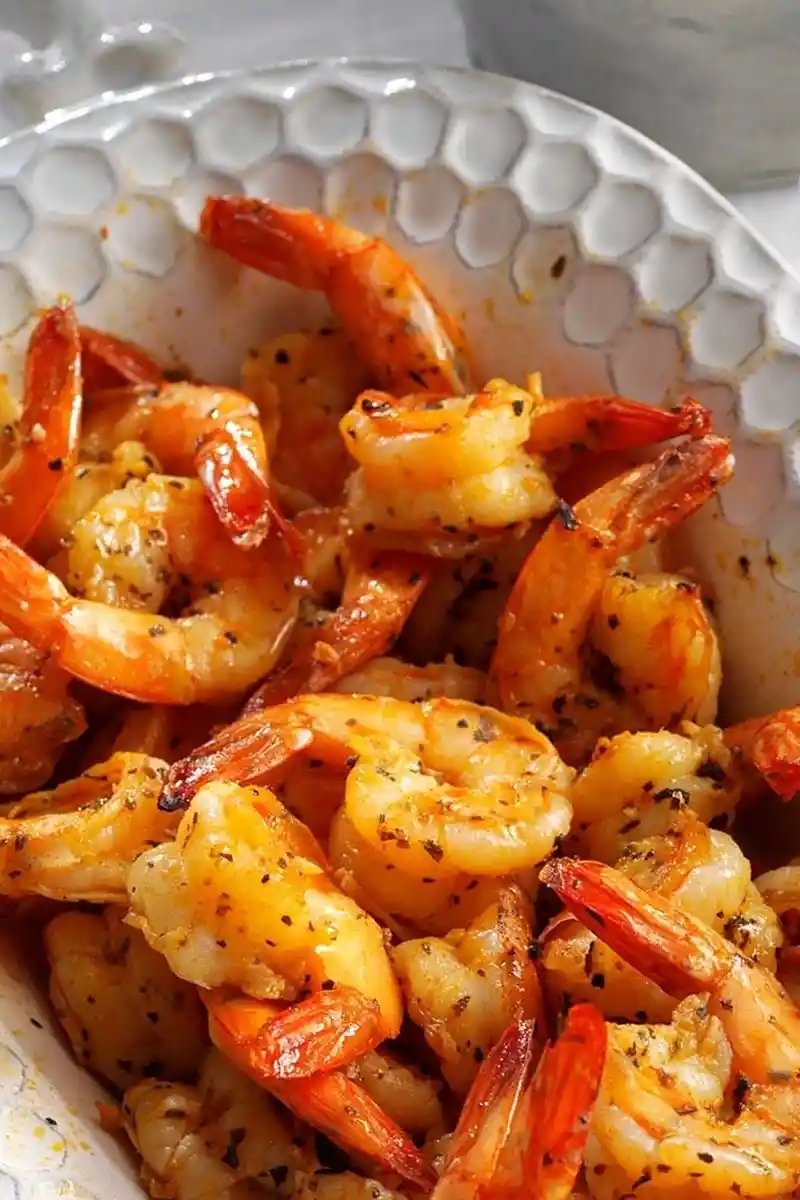
List of ingredients
- 1 tablespoon olive oil – serves as the base for the marinade.
- 1-1/2 teaspoons brown sugar – provides a hint of sweetness and aids in caramelization.
- 1-1/2 teaspoons lemon juice – adds necessary acidity and brightness.
- 1 garlic clove, thinly sliced – provides a sharp, aromatic flavor.
- 1/2 teaspoon paprika – gives the shrimp a reddish color and mild earthiness.
- 1/2 teaspoon Italian seasoning – adds a balanced blend of Mediterranean herbs.
- 1/2 teaspoon dried basil – reinforces the herbal notes of the dish.
- 1/4 teaspoon pepper – provides a subtle, warm spice.
- 1 pound uncooked shrimp (26-30 per pound), peeled and deveined – the primary protein for the appetizer.
step-by-step instructions
- Prepare the marinade: In a bowl or shallow dish, combine the olive oil, brown sugar, lemon juice, sliced garlic, paprika, Italian seasoning, dried basil, and pepper.
- Coat the shrimp: Add the peeled and deveined shrimp to the bowl and toss thoroughly until every piece is evenly coated in the mixture.
- Chill and marinate: Place the shrimp in the refrigerator for 2 hours to allow the seasonings to penetrate the meat.
- Prepare for cooking: Drain the shrimp, discarding the remaining marinade. Place the shrimp in a single layer on an ungreased baking sheet.
- Broil: Position the oven rack 4 inches from the heat source. Broil the shrimp until they turn pink, which typically takes 3-4 minutes on each side.
Expert Cooking Tips for Shrimp
Prevent Rubbery Texture
Overcooking is the most common mistake when preparing shrimp. To avoid a rubbery consistency, monitor the shrimp closely during the broiling process. Remove them from the heat the moment the flesh turns opaque and pink, as carry-over cooking will continue for a few minutes after they leave the oven.
Use Tail-On Shrimp
For party appetizers, keeping the tails intact is a practical choice. The tails act as natural handles, allowing guests to pick up the shrimp without needing toothpicks or silverware. This keeps the serving area cleaner and reduces the number of utensils required.
Manage Marinating Time
Stick to the recommended two-hour marinating window. Because the marinade contains lemon juice, leaving the shrimp in the mixture for too long can cause the acid to break down the proteins too much. This may result in a mushy texture rather than a firm, snappy bite.
Customizing Your Flavor Profile
Incorporate Extra Heat
If you prefer a spicier appetizer, add a pinch of cayenne pepper or a few crushed red pepper flakes to the marinade. This adds a sharp kick that complements the sweetness of the brown sugar. Ensure the spice level remains balanced so it does not overpower the garlic and herbs.
Experiment with Citrus Variations
While lemon juice is traditional, you can substitute it with lime juice for a more tropical profile. Orange juice can also be used to increase the sweetness and fruitiness of the dish. If using a sweeter citrus, slightly reduce the amount of brown sugar to maintain balance.
Adjust Garlic Preparation
Thinly slicing the garlic prevents the pieces from burning too quickly under the high heat of the broiler. If you prefer a more integrated garlic flavor, you can use garlic powder or a fine paste. However, sliced garlic provides a more rustic look and concentrated bursts of flavor.
Serving and Presentation Ideas
Utilize Fresh Garnishes
Freshly chopped parsley or chives added just before serving provide a vibrant color contrast. A sprinkle of fresh lemon zest over the finished platter enhances the aroma. These small additions make the dish look more professional and appetizing for guests.
Select Complementary Side Dishes
Serve these shrimp alongside a crisp green salad or chilled cucumber slices to balance the richness of the oil. Crusty baguette slices toasted with a bit of butter also work well. This allows guests to enjoy the shrimp as part of a more substantial appetizer spread.
Optimize Platter Arrangement
Arrange the shrimp on a chilled ceramic platter or a slate board to keep them from sliding. Group the shrimp in small clusters or a circular pattern with lemon wedges placed in the center. This arrangement makes the platter visually appealing and easy for guests to access.
Storage and Food Safety
Refrigerate Leftovers Correctly
Store any remaining cooked shrimp in an airtight container in the refrigerator. They will stay fresh and safe to eat for up to two to three days. Place a piece of parchment paper between layers to prevent the shrimp from sticking together.
Freeze Cooked Shrimp
To freeze the shrimp, flash-freeze them on a baking sheet first before transferring them to a vacuum-seal bag. This prevents the shrimp from forming a solid block of ice. Ensure you remove as much air as possible from the bag to prevent freezer burn.
Avoid Cross-Contamination
Always use separate cutting boards and utensils for raw shrimp and cooked foods. Thoroughly wash your hands and all surfaces with soap and water after handling the raw seafood. This is essential for preventing foodborne illnesses in a party setting.
Reheating Instructions
Use a Low-Temperature Oven
To reheat shrimp without toughening them, set your oven to 300 degrees Fahrenheit. Place the shrimp on a baking sheet and heat them for only a few minutes until warmed through. Avoid using high heat, which will quickly dry out the seafood.
Apply the Microwave Method
If using a microwave, place the shrimp on a microwave-safe plate and cover them with a damp paper towel. Heat on low power in short 15-second bursts. This helps retain moisture and prevents the shrimp from becoming rubbery.
Warm on the Stovetop
A quick sear in a pan over medium-low heat is another effective reheating method. Add a tiny amount of olive oil to the skillet to prevent sticking. Toss the shrimp for one to two minutes just until they are heated through.
Make-Ahead Planning
Prepare the Marinade Early
You can mix the olive oil, sugar, spices, and lemon juice up to 24 hours in advance. Store the marinade in a sealed mason jar in the refrigerator. This saves time on the day of the event and allows the dry spices to fully hydrate.
Pre-Clean the Seafood
Buying pre-peeled and deveined shrimp significantly reduces preparation time. If buying whole shrimp, clean and devein them the day before and store them in a sealed container. This ensures you only have to focus on the marinating and broiling steps when guests arrive.
Coordinate Broiling Timing
Plan to broil the shrimp about 20 to 30 minutes before you intend to serve them. While they can be served warm, they are best enjoyed immediately after cooking. This timing ensures the shrimp remain succulent and the flavors are most potent.
Troubleshooting Common Issues
Address Quick Burning
If the shrimp are browning too quickly before they are cooked through, your oven rack may be too close to the broiler element. Move the rack down one level to provide more space. This allows the heat to distribute more evenly without scorching the garlic or sugar.
Improve Marinade Adhesion
If the marinade seems to slide off the shrimp, try patting the shrimp dry with paper towels before adding them to the bowl. Removing excess surface moisture allows the oil and spices to cling more effectively to the meat. This results in a more consistent flavor on every piece.
Prevent Excessive Shrinking
Significant shrinking often occurs when shrimp have been treated with excessive phosphates or have high water content. To minimize this, choose high-quality, wild-caught shrimp. Ensure they are completely thawed and drained before starting the marination process.
Frequently Asked Questions
Can I use frozen shrimp for this recipe?
Yes, you can use frozen shrimp as long as they are completely thawed. Thaw them in the refrigerator overnight or under cold running water. Pat them dry thoroughly before marinating to prevent the sauce from becoming watery.
What is the best shrimp size for appetizers?
Shrimp in the 26-30 count per pound range are ideal. They are large enough to be satisfying but small enough to be eaten in one or two bites. Larger shrimp may require a slightly longer broiling time to cook through.
Is a dipping sauce necessary?
The marinade used in this recipe is designed to be bold and flavorful, making a dipping sauce optional. However, if you prefer one, a simple mixture of melted butter and lemon juice works well. A side of cocktail sauce is also a traditional choice.
Can I bake the shrimp instead of broiling them?
You can bake them at 400 degrees Fahrenheit for about 8-10 minutes. However, baking provides a different texture and lacks the charred, caramelized edges that broiling creates. Broiling is recommended for the best appetizer results.
Print
Savory Broiled Party Shrimp
- Total Time: 2 hours 25 minutes
- Yield: 2–1/2 dozen 1x
- Diet: Pescatarian
Description
The marinade for this dish makes the shrimp so flavorful, you won’t even need a dipping sauce. Even those who claim they don’t like shellfish really dig this appetizer.
Ingredients
- 1 tablespoon olive oil
- 1–1/2 teaspoons brown sugar
- 1–1/2 teaspoons lemon juice
- 1 garlic clove, thinly sliced
- 1/2 teaspoon paprika
- 1/2 teaspoon Italian seasoning
- 1/2 teaspoon dried basil
- 1/4 teaspoon pepper
- 1 pound uncooked shrimp (26–30 per pound), peeled and deveined
Instructions
- Marinate: In a bowl or shallow dish, combine the first 8 ingredients. Add shrimp; toss to coat. Refrigerate 2 hours.
- Broil: Drain shrimp, discarding marinade. Place shrimp on an ungreased baking sheet. Broil 4 in. from heat until shrimp turn pink, 3-4 minutes on each side.
Notes
To avoid rubbery shrimp, watch for signs they are done; the flesh will turn pink and firm. Tail-on shrimp work best for this finger-food appetizer.
- Prep Time: 15 minutes
- Cook Time: 10 minutes
- Category: Appetizers
- Method: Broiling
- Cuisine: Italian
Nutrition
- Serving Size: 1 shrimp
- Calories: 14 kcal
- Sugar: 0 g
- Sodium: 18 mg
- Fat: 0 g
- Saturated Fat: 0 g
- Unsaturated Fat: 0 g
- Trans Fat: 0 g
- Carbohydrates: 0 g
- Fiber: 0 g
- Protein: 2 g
- Cholesterol: 18 mg