This rich and creamy Alfredo sauce is a simple way to recreate a restaurant favorite in your own kitchen. It takes only 20 minutes to prepare and pairs perfectly with fettuccine for a satisfying meal.
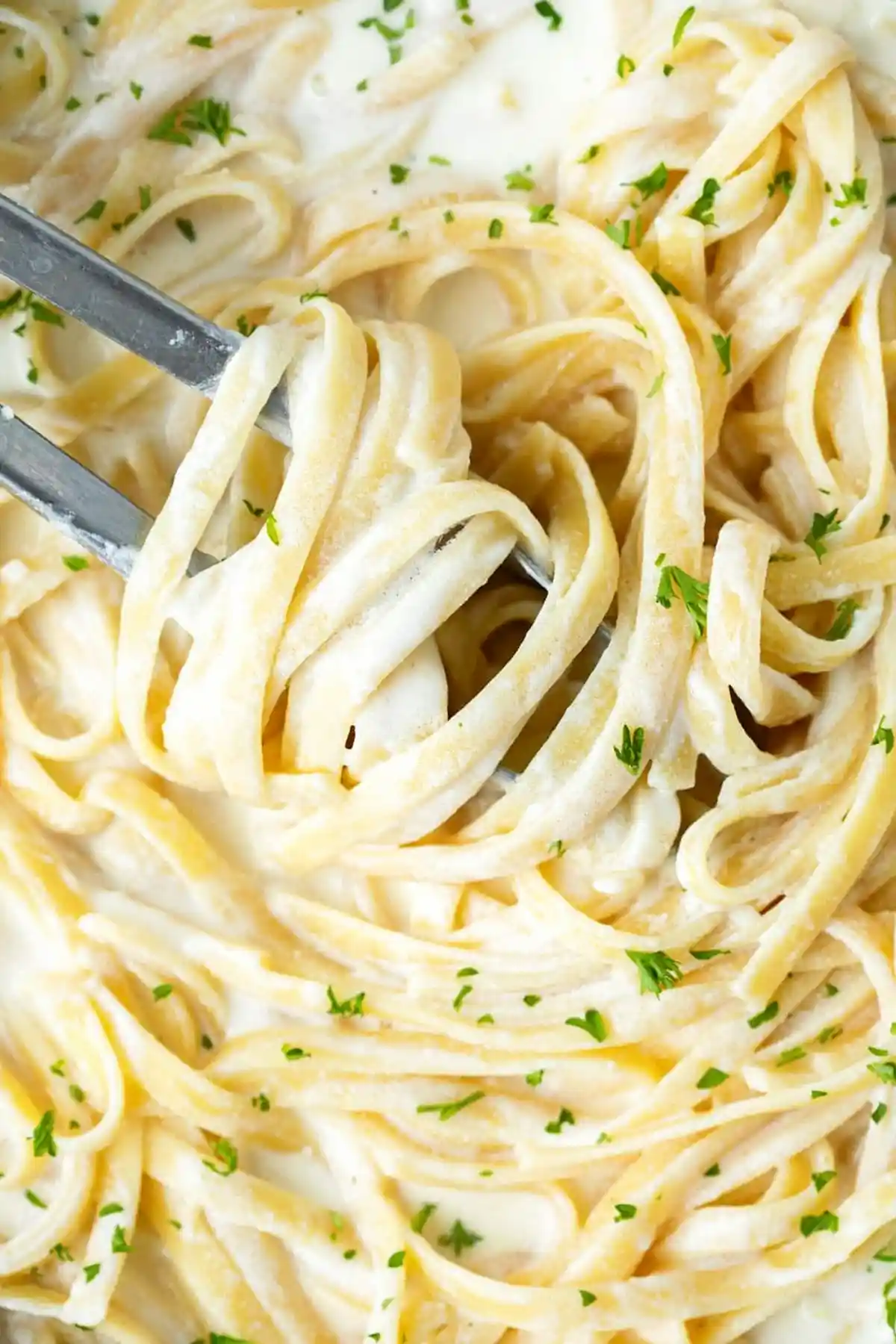
List of ingredients
- 6 Tablespoons salted butter (high quality) – provides a rich, creamy base.
- 1 Tablespoon garlic (minced) – adds a pungent, aromatic flavor.
- 2 Tablespoons all-purpose flour – helps thicken the sauce to the right consistency.
- 1 ½ cups heavy cream – ensures a velvety and lush texture.
- 1 ½ cups whole milk (1% or 2% can be used if needed) – balances the richness of the cream.
- ½ cup Parmesan cheese (grated and at room temperature) – adds a salty, nutty depth.
- ½ cup Romano cheese (grated and at room temperature) – provides a sharper, tangier flavor.
- Salt and black pepper (to taste) – used for final seasoning.
- 1 lb. Fettuccine – the traditional pasta pairing for this sauce.
- Parsley (to garnish) – adds a pop of color and fresh taste.
step-by-step instructions
- Boil the pasta: Cook the fettuccine according to the package instructions. While the water is heating up, you can begin preparing the sauce.
- Sauté garlic: Melt the butter in a large saucepan over medium heat. Add the minced garlic and cook for about one minute until fragrant.
- Create the roux: Whisk in the all-purpose flour and cook for 1 minute, stirring continuously to avoid clumps.
- Combine liquids: Add the heavy cream in splashes, stirring continuously to incorporate. Add the milk in the same manner.
- Thicken the sauce: Bring the mixture to a gentle bubble, then reduce the heat to a simmer. The sauce will continue to thicken as it simmers on the stove.
- Incorporate cheese: Reduce the heat to low and slowly stir in the Parmesan and Romano cheeses. Taste the sauce and season with salt and black pepper if desired.
- Mix with pasta: Drain the cooked pasta and combine it with the sauce until well incorporated. Note that the pasta will absorb some of the sauce, causing it to thicken further.
- Finish and serve: Garnish the dish with fresh parsley and serve immediately.
Secrets for a Smoother Texture
Shred Your Own Cheese
For the creamiest results, purchase blocks of high-quality Parmesan and Romano and grate them yourself. Pre-shredded bagged cheeses contain cellulose or potato starch to prevent clumping in the bag. These additives repel moisture and can lead to a grainy or sandy texture in your sauce.
Use Room Temperature Dairy
Allow your grated cheese to come to room temperature before adding it to the pan. Adding cold cheese to a hot sauce can cause the fats to separate or the cheese to clump. This ensures the cheese melts evenly and integrates perfectly into the cream base.
Control the Heat during Melting
Keep the heat on low when stirring in the cheese to prevent the dairy from overheating. If the sauce is too hot, the proteins in the cheese can tighten and separate from the fat. This results in a broken sauce with an oily appearance rather than a smooth emulsion.
Ingredient Customizations
Alternative Cheese Options
While Parmesan and Romano are traditional, you can incorporate other hard cheeses for a different flavor profile. Mozzarella adds a mild stretch, while Gruyere or Gouda provide a nuttier taste. Asiago is another great substitute if you want a sharper punch of flavor.
Dairy Substitutions
If you do not have both heavy cream and milk, you can use an equal amount of half-and-half. If you only have evaporated milk available, use half the required amount of milk and replace the other half with water. This modification maintains the consistency without compromising the rich flavor.
Exploring Different Pasta Types
Fettuccine is the classic choice because the wide noodles hold the thick sauce well. However, you can use tortellini for a heartier meal or penne for a more modern take. Bowtie pasta is also an excellent option for capturing the sauce in its folds.
Storage and Preservation
Refrigeration Guidelines
Store any leftover Alfredo sauce in an airtight container in the refrigerator. Because this recipe uses flour as a stabilizer, it maintains its consistency better than flourless versions when cooled. It will stay fresh and safe to eat for up to 3 days.
Freezing the Sauce
This sauce is freezable and makes an excellent make-ahead meal component. Store it in a freezer-safe container or freezer bag for up to 1-2 months. To maintain quality, ensure there is a layer of parchment paper or plastic wrap touching the surface to prevent freezer burn.
Effective Reheating Techniques
Using a Double Boiler
The most effective way to restore the sauce is by using a makeshift double boiler. Place the sauce in a bowl over a pot of simmering water, stirring constantly. This gentle heat prevents the sauce from scorching and helps the fats re-emulsify perfectly.
Microwave Reheating Method
If you are in a rush, you can use a microwave, but do so in short bursts. Heat the sauce for 30 seconds, stir thoroughly, and repeat until warm. Stirring frequently prevents hot spots and keeps the sauce from separating.
Stovetop Reheating
Reheat the sauce in a small saucepan over low to medium-low heat. Stir continuously to ensure the heat is distributed evenly throughout the cream. Avoid boiling the sauce during reheating, as this can cause it to break.
Adjusting Thickness After Reheating
Alfredo sauce naturally thickens as it cools and again during the reheating process. If the sauce becomes too thick or paste-like, stir in a splash of milk or vegetable broth. This will loosen the consistency and return it to its original creamy state.
Common Sauce Troubleshooting
Fixing a Grainy Consistency
Graininess usually occurs if the cheese was added too quickly or the heat was too high. To fix this, remove the pan from the heat and whisk in a tablespoon of warm milk or pasta water. Stirring vigorously while the sauce cools slightly can often smooth out the texture.
Managing Overly Thick Sauce
If the sauce thickens too much after adding the pasta, do not add more cheese. Instead, add a small amount of the reserved pasta cooking water. The starch in the water helps emulsify the sauce and creates a glossier finish.
Preventing Sauce Separation
Separation happens when the emulsion of fat and liquid breaks. To prevent this, ensure you add the cream and milk in gradual splashes rather than all at once. Always keep the heat low once the cheese is introduced to maintain a stable bond.
Serving and Pairing Ideas
Adding Lean Proteins
To turn this into a full meal, top the pasta with grilled chicken breast or sautéed shrimp. Seared salmon fillets also pair beautifully with the richness of the Alfredo sauce. Ensure the proteins are seasoned simply with salt and pepper to let the sauce shine.
Incorporating Vegetables
Fresh vegetables can balance the richness of the dairy. Steamed broccoli florets, sautéed mushrooms, or fresh baby spinach are excellent additions. Stir these in at the very end so they remain vibrant and do not overcook.
Recommended Side Dishes
Serve your Alfredo pasta with a side of toasted garlic bread to soak up extra sauce. A crisp garden salad with a vinaigrette dressing provides a necessary acidic contrast to the heavy cream. This combination creates a balanced and complete restaurant-style dinner.
Frequently Asked Questions
Can I use a different type of milk?
Yes, you can use 1% or 2% milk if whole milk is unavailable. However, using lower-fat milk may slightly reduce the creaminess of the final product. For the best results, stick to whole milk or heavy cream.
Why did my sauce separate when I added the cheese?
This usually happens because the sauce was boiling when the cheese was added. High heat causes the proteins in the cheese to clump and separate from the fats. Always reduce the heat to low before stirring in your cheeses.
Can I make this sauce without flour?
While you can make a traditional Alfredo without flour, the flour in this version helps the sauce thicken and stay stable. Without it, the sauce may be more prone to separating during reheating or storage.
How do I stop the pasta from absorbing all the sauce?
To prevent the pasta from becoming dry, serve the dish immediately after mixing. If you are preparing it for a crowd, keep a little extra sauce on the side to stir in just before serving.
Print
Restaurant Style Creamy Alfredo Sauce
- Total Time: 20 minutes
- Yield: 6 servings 1x
- Diet: Vegetarian
Description
Make Olive Garden’s Alfredo Sauce Recipe at home in just 20 minutes! Pair it with Fettuccine for an easy dinner idea the whole family will love!
Ingredients
- 6 Tablespoons salted butter
- 1 Tablespoon garlic, minced
- 2 Tablespoons all-purpose flour
- 1 ½ cups heavy cream
- 1 ½ cups whole milk
- ½ cup Parmesan cheese, grated
- ½ cup Romano cheese, grated
- Salt and black pepper, to taste
- 1 lb. Fettuccine
- Parsley, to garnish
Instructions
- Step 1: Boil the fettuccine according to package instructions.
- Step 2: Melt the butter in a large saucepan over medium heat, add the garlic and cook for one minute.
- Step 3: Whisk in the flour and cook for 1 minute, stirring continuously.
- Step 4: Add the heavy cream and milk in splashes, stirring continuously.
- Step 5: Bring to a gentle bubble, then reduce heat to a simmer.
- Step 6: Reduce heat to low and slowly stir in the cheese, then season with salt and pepper.
- Step 7: Drain the pasta and combine it with the sauce until well incorporated.
- Step 8: Garnish with parsley and serve!
Notes
For saucier pasta, use 3/4 lb. of fettuccine instead of a full pound. Shred high-quality cheese yourself and let it reach room temperature before adding for extra creaminess. Reheat using a double boiler to best restore original consistency.
- Prep Time: 5 minutes
- Cook Time: 15 minutes
- Category: Main Course
- Method: Stovetop
- Cuisine: Italian
Nutrition
- Serving Size: 1 serving
- Calories: 624 kcal
- Sugar: 2 g
- Sodium: 399 mg
- Fat: 33 g
- Saturated Fat: 20 g
- Unsaturated Fat: 13 g
- Trans Fat: 0 g
- Carbohydrates: 62 g
- Fiber: 3 g
- Protein: 20 g
- Cholesterol: 153 mg