This recipe provides a practical method for preparing classic boiled shrimp served with a tangy homemade dipping sauce. It is an efficient way to feed a crowd while maintaining the moisture and flavor of the seafood.
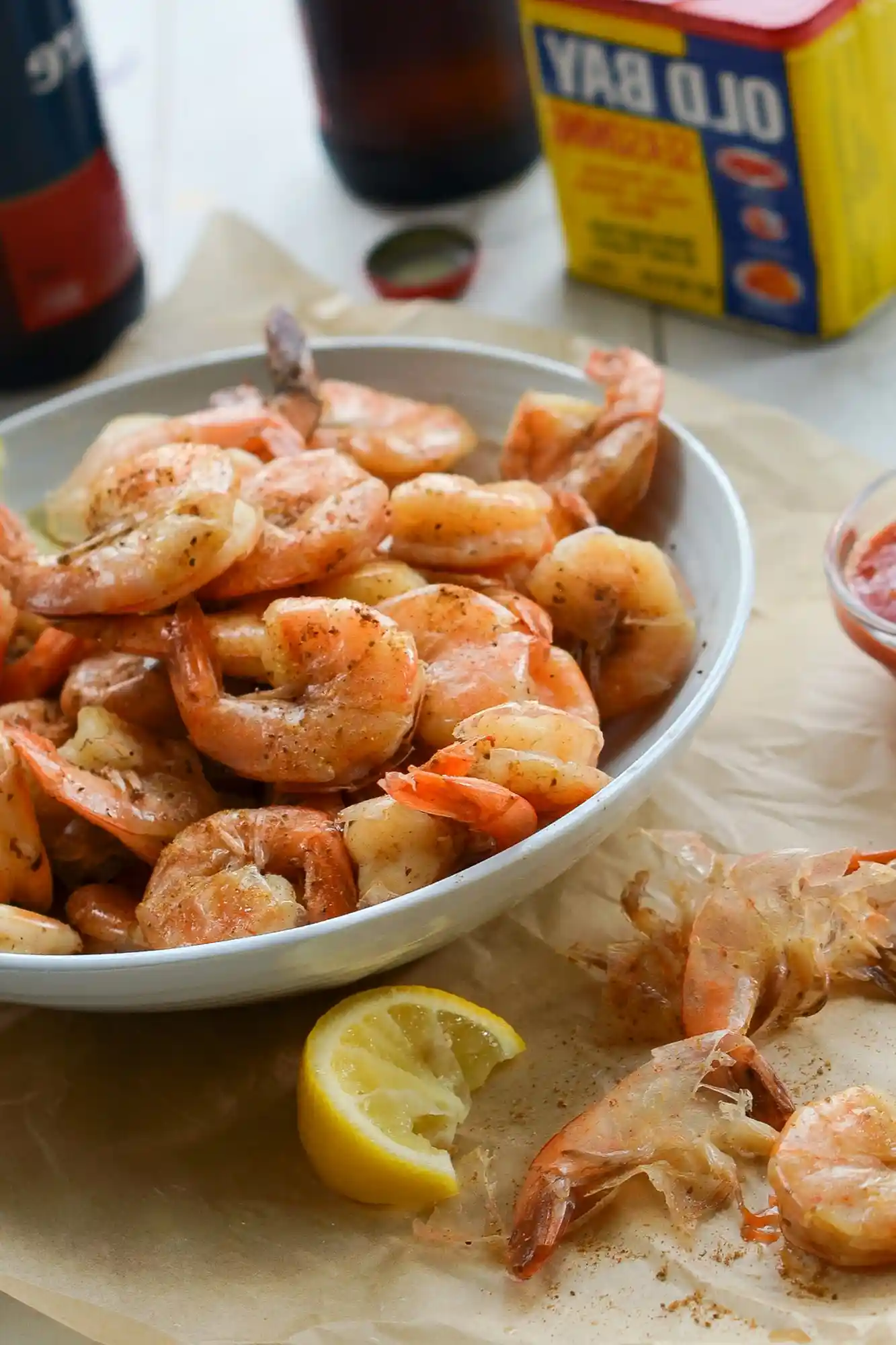
List of ingredients
- 2½ tablespoons Old Bay seasoning – provides the primary savory and zesty flavor profile.
- 3 tablespoons unsalted butter – adds richness to the boiling liquid.
- 1 cup vegetable broth – serves as the aromatic base for simmering.
- 1 cup water – balances the intensity of the broth and seasonings.
- 2 lb extra large shrimp (26/30 count), shell split and deveined – ensures a meaty texture and easy peeling.
- 6 tablespoons ketchup – creates the sweet and tangy base for the sauce.
- ½ tablespoon prepared horseradish – adds a sharp, pungent heat to the dip.
- 1 tablespoon freshly squeezed lemon juice – provides necessary acidity to brighten the flavors.
- Pinch cayenne pepper – adds a subtle back-end heat to the sauce.
step-by-step instructions
- Prepare the boil: Combine the Old Bay seasoning, unsalted butter, vegetable broth, and water in a large pot. Bring the mixture to a rolling boil over high heat.
- Cook the shrimp: Add the shrimp to the pot, immediately reduce the heat to medium, and cover with a tight-fitting lid. Cook for 3 to 6 minutes, stirring once during the process to ensure even heat distribution, until the shrimp are pink and opaque.
- Drain and plate: Use a slotted spoon to carefully remove the shrimp from the liquid. Transfer them to a large serving platter.
- Mix the sauce: In a small mixing bowl, whisk together the ketchup, prepared horseradish, lemon juice, and cayenne pepper until smooth.
- Final serve: Serve the shrimp either hot or chilled, accompanied by the cocktail sauce and extra lemon wedges.
Optimizing Shrimp Selection and Preparation
Choosing the Correct Shrimp Size
Selecting 26/30 count extra-large shrimp is recommended because they have enough mass to withstand boiling without shrinking excessively. Smaller shrimp cook too quickly and are more prone to becoming rubbery if the timing is off by a few seconds.
Properly Thawing Frozen Seafood
Thaw frozen shrimp slowly in the refrigerator overnight to maintain the cellular structure of the meat. If you are short on time, place the shrimp in a sealed bag and submerge them in cold running water for about 30 minutes.
Benefits of Cooking In-Shell
Keeping the shells on during the boiling process acts as a protective barrier. This prevents the proteins from tightening too quickly and keeps the internal moisture locked in, resulting in a juicier final product.
Precision Cooking Techniques
Identifying the Perfect Doneness
Watch for the shrimp to curl into a loose ‘C’ shape. If they curl tightly into an ‘O’ shape, they are overcooked and will have a tough, rubbery texture.
Managing Pot Temperature
Reducing the heat to medium after adding the shrimp prevents the water from boiling too violently. A gentle simmer ensures the shrimp cook evenly from the outside in without scorching the exterior.
Utilizing the Right Cookware
Use a large Dutch oven or a stockpot to ensure the shrimp have enough room to move. Overcrowding the pot can lead to uneven cooking, as the shrimp in the center may remain raw while those on the edges overcook.
Enhancing the Cocktail Sauce
Controlling the Pungency
The amount of prepared horseradish determines the strength of the sauce’s kick. Start with the recommended half tablespoon and increase it in small increments if you prefer a more nasal-clearing heat.
Balancing Acidity Levels
Freshly squeezed lemon juice is superior to bottled juice due to its bright, volatile oils. If the sauce tastes too sweet from the ketchup, add an extra teaspoon of lemon juice to balance the sugars.
Substituting Cayenne for Other Heat Sources
If cayenne pepper is unavailable, a pinch of crushed red pepper flakes or a dash of hot sauce can provide similar heat. Ensure the substitute does not introduce too much vinegar, which could overpower the horseradish.
Professional Serving Suggestions
Arranging the Platter
Arrange the shrimp in a circular pattern around a central bowl of cocktail sauce. This presentation allows guests easy access to the dip and creates a visually appealing centerpiece for the table.
Temperature Considerations
For a traditional seafood boil experience, serve the shrimp hot immediately after draining. For a classic shrimp cocktail approach, chill the shrimp in the refrigerator for two hours before serving.
Recommended Side Dish Pairings
Pair these shrimp with corn on the cob or a crisp cucumber salad to balance the richness of the butter. Crusty sourdough bread is also useful for soaking up any remaining cocktail sauce on the plate.
Storage and Preservation Guidelines
Refrigerating Cooked Shrimp
Store cooked shrimp in an airtight container in the refrigerator for up to three days. Ensure they are cooled completely before sealing the lid to prevent condensation from making the shells soggy.
Freezing Cooked Seafood
While boiled shrimp can be frozen, the texture may degrade slightly. Flash-freeze them on a baking sheet before transferring them to a vacuum-sealed bag to prevent them from clumping together.
Maintaining Sauce Freshness
The cocktail sauce can be stored in a glass jar in the refrigerator for up to one week. Stir the sauce vigorously before using it again, as the horseradish and lemon juice may separate over time.
Reheating Methods for Best Quality
The Quick Steam Method
To reheat shrimp without toughening them, place them in a steamer basket over simmering water for 1 to 2 minutes. This adds moisture back into the meat and warms them through gently.
Using an Oven for Warming
Spread the shrimp on a baking sheet and cover them tightly with aluminum foil to trap steam. Heat at 275°F (135°C) for about 5 to 8 minutes, just until they reach the desired temperature.
Avoiding the Microwave
Avoid using a microwave to reheat shrimp as the uneven heating often leads to rubbery textures. If you must use one, use the lowest power setting and heat in 30-second intervals.
Troubleshooting Common Issues
Fixing Bland Shrimp
If the shrimp lack flavor, toss them in a mixture of melted butter and a sprinkle of extra Old Bay seasoning immediately after boiling. This coats the shell and meat in a concentrated layer of spice.
Correcting a Watery Sauce
If the cocktail sauce is too thin, it is usually due to too much lemon juice or low-quality ketchup. Whisk in a small amount of tomato paste to thicken the consistency without altering the flavor profile.
Preventing Shell Sticking
If the shells are difficult to remove, it may be because the shrimp were undercooked. Ensure the shrimp have reached a fully opaque pink color and a firm (but not hard) texture.
Frequently Asked Questions
Can I use small shrimp for this recipe?
Yes, but you must significantly reduce the cooking time. Small shrimp may cook in as little as 2 minutes, so check them frequently to avoid overcooking.
How long does the homemade cocktail sauce last?
When kept in an airtight container in the refrigerator, the sauce remains fresh for about 7 days. The acidity of the lemon juice and vinegar in the ketchup acts as a natural preservative.
Can I omit the butter from the boil?
You can omit the butter, but the resulting shrimp will have a leaner taste and the spices will not cling as well to the shells. The butter helps emulsify the seasoning into the cooking liquid.
What can I use instead of Old Bay seasoning?
A mixture of celery salt, paprika, black pepper, and a pinch of cinnamon can mimic the flavor. Alternatively, a generic seafood boil seasoning from any grocery store will work effectively.
Do I need to devein the shrimp before boiling?
Deveining is recommended for larger shrimp to remove the digestive tract. Since this recipe uses shell-split shrimp, the vein is easily accessible and should be removed for better texture and taste.
Can I use sparkling water instead of broth?
Yes, sparkling water can be used for a lighter, cleaner taste. However, vegetable broth provides a more savory depth that complements the Old Bay seasoning better.
Print
Maryland-Style Boiled Shrimp with Zesty Cocktail Sauce
- Total Time: 20 minutes
- Yield: 4 to 6 servings 1x
- Diet: Pescatarian
Description
These boiled shrimp are messy, delicious, and made for the best kind of summer eating.
Ingredients
- 2½ tablespoons Old Bay seasoning
- 3 tablespoons unsalted butter
- 1 cup vegetable broth
- 1 cup water
- 2 lb extra large shrimp (26/30), shell split and deveined, thawed if frozen
- 6 tablespoons ketchup
- ½ tablespoon prepared horseradish
- 1 tablespoon freshly squeezed lemon juice
- Pinch cayenne pepper
Instructions
- Heat liquid: Combine the Old Bay, butter, vegetable broth, and water in a large pot and bring to a boil.
- Boil shrimp: Add the shrimp, turn the heat down to medium, and cover the pot with a lid. Cook, stirring once, for 3 to 6 minutes, or until the shrimp are pink and just cooked through.
- Prepare platter: Using a slotted spoon, remove the shrimp from the broth and transfer to a serving platter.
- Make sauce: In a small bowl, whisk together the ketchup, horseradish, lemon juice, and cayenne pepper.
Notes
Prepared horseradish can be found in the refrigerator aisle at your supermarket.
- Prep Time: 15 minutes
- Cook Time: 5 minutes
- Category: Appetizer
- Method: Boiling
- Cuisine: American
Nutrition
- Serving Size: 1 serving
- Calories: 220 kcal
- Sugar: 4 g
- Sodium: 344 mg
- Fat: 7 g
- Saturated Fat: 4 g
- Unsaturated Fat: 3 g
- Trans Fat: 0 g
- Carbohydrates: 8 g
- Fiber: 1 g
- Protein: 31 g
- Cholesterol: 259 mg