This slow cooker lasagna provides a classic Italian-style meal with significantly less effort than traditional oven-baked versions. It uses uncooked noodles that soften during the slow cooking process, making it a convenient option for busy weeknights.
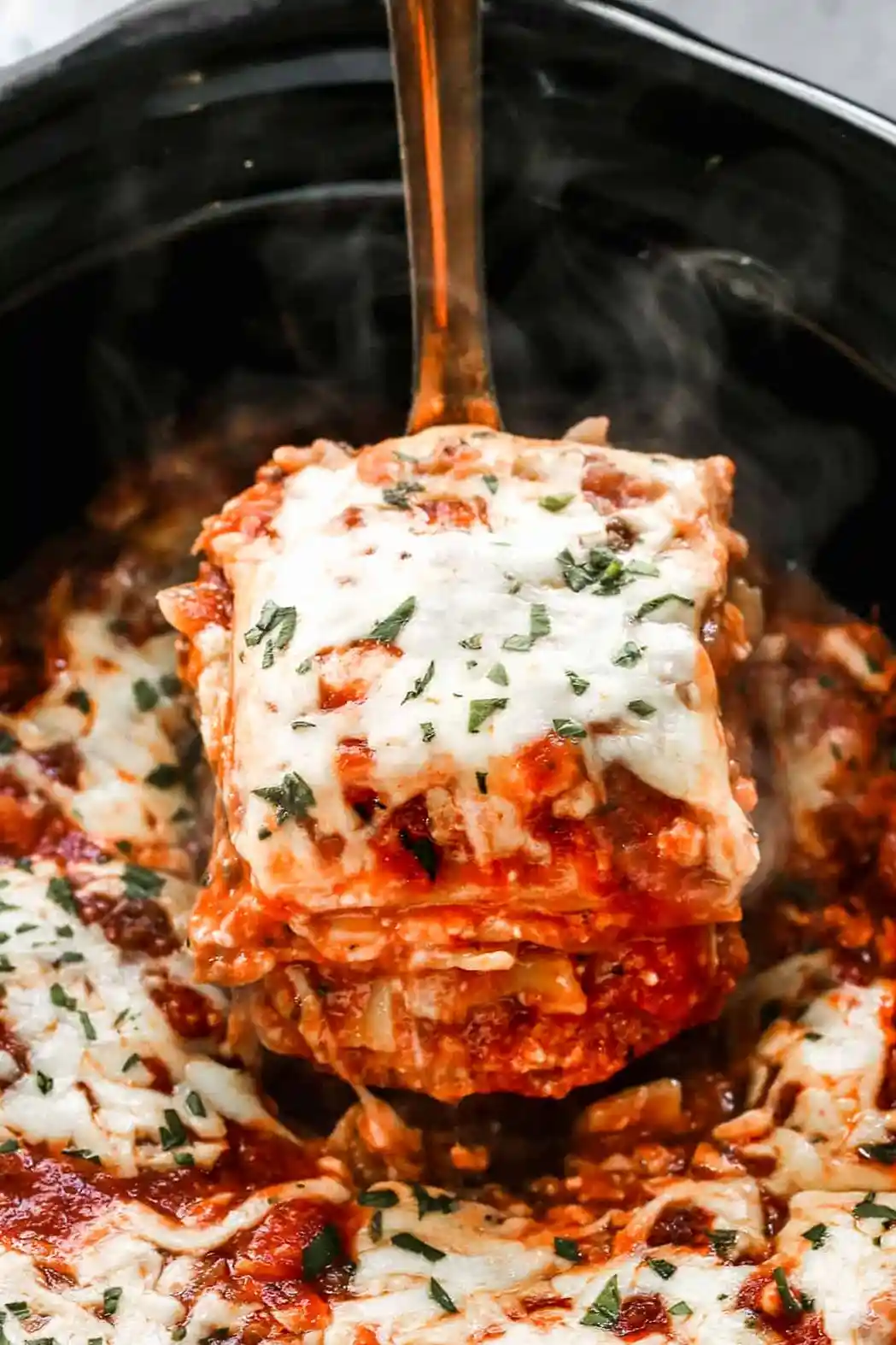
List of ingredients
- 1/2 pound lean ground beef – provides a hearty base.
- 1/2 pound ground beef or turkey Italian sausage – adds traditional savory flavor.
- 1 1/2 teaspoons salt – enhances all seasoning.
- 1/2 teaspoon freshly ground black pepper – adds a subtle spicy kick.
- 1 large onion, chopped – adds aromatic sweetness.
- 1 teaspoon Italian seasoning – a blend of classic herbs.
- 2 Tablespoons dried parsley flakes – adds earthy notes.
- 2 teaspoons garlic powder – provides a deep garlic aroma.
- 2 Tablespoons Worcestershire sauce – adds umami depth.
- 6 ounce can tomato paste – thickens the sauce.
- 29 ounces tomato sauce – the primary liquid base.
- 2 Tablespoons granulated sugar – balances the acidity of the tomatoes.
- 1 1/4 cups water – essential for hydrating the uncooked noodles.
- 8 ounces lasagna noodles, uncooked – the structural layers.
- 4 cups shredded mozzarella cheese – for a gooey, melted finish.
- 1 1/2 cups cottage cheese – adds creamy texture.
- 1/2 cup freshly grated parmesan cheese – adds a salty, sharp finish.
step-by-step instructions
- Brown the Meat: In a large skillet over medium heat, brown the ground beef, Italian sausage, and chopped onion until the meat is fully cooked.
- Simmer the Sauce: Stir in the salt, pepper, Italian seasoning, parsley, garlic powder, Worcestershire sauce, tomato paste, tomato sauce, sugar, and water. Let the mixture simmer for 15 to 20 minutes to meld the flavors.
- Initial Layer: Spread one-fourth of the prepared meat sauce across the bottom of the slow cooker to prevent the noodles from sticking.
- Layer Noodles: Arrange one-third of the uncooked lasagna noodles over the sauce, breaking them into smaller pieces if necessary to fit the shape of the pot.
- Add Cheese Mix: Combine the mozzarella, cottage cheese, and parmesan cheese in a bowl. Spoon one-third of this cheese mixture evenly over the noodle layer.
- Repeat Layers: Repeat the noodle and cheese layers twice more, ensuring the layers are evenly distributed.
- Final Topping: Spread the remaining meat sauce over the top layer and sprinkle with additional mozzarella cheese if desired.
- Slow Cook: Cover the pot and cook on the low setting for 4 to 5 hours, or until the noodles are tender when pierced with a fork.
Optimizing Your Slow Cooker Setup
Use Slow Cooker Liners for Fast Cleanup
Placing a heat-safe liner in your crockpot before adding the sauce prevents cheese and tomato sauce from baking onto the sides. This reduces scrubbing time and protects the inner ceramic pot from staining. Ensure the liner is trimmed to fit your specific model for the best result.
Choose the Correct Crockpot Size
A 6-quart slow cooker is generally the ideal size for this recipe to allow for proper layering. If your pot is too small, the lasagna may overflow or cook unevenly. If using a very large pot, the layers may be too thin, which could lead to overcooked noodles.
Avoid Overfilling the Pot
Leave about an inch of space between the top layer of cheese and the lid of the slow cooker. Overfilling can cause the sauce to bubble over the edges during the long cooking process. This space also allows steam to circulate, which helps the uncooked noodles soften evenly.
Ingredient Substitutions and Customizations
Replacing Cottage Cheese with Ricotta
You can substitute the 1 1/2 cups of cottage cheese with an equal amount of ricotta cheese for a smoother texture. Ricotta is denser and less watery than cottage cheese, which may result in a firmer slice. Mix the ricotta with an egg to help it set better during the slow cooking process.
Using Whole Grain or Gluten-Free Noodles
Whole grain or gluten-free lasagna noodles can be used, but they may require slightly more liquid to soften. Increase the water by 1/4 cup if you notice the noodles remain firm after 5 hours. Be mindful that some gluten-free noodles can become mushy if overcooked.
Substituting Fresh Herbs for Dried
If using fresh parsley or basil, use a ratio of three to one compared to dried herbs. Fresh herbs should be added at the end of the sauce simmering process to preserve their bright flavor. This adds a fresher, more garden-like taste to the meat sauce.
Making the Meat Sauce Leaner
To reduce the fat content, use 90% lean ground beef and turkey sausage. After browning the meat and onions, carefully drain the excess grease from the skillet before adding the tomato products. This prevents a layer of oil from forming on top of the finished lasagna.
Swapping Mozzarella for Provolone
For a sharper, more pungent flavor, replace half of the mozzarella with sliced or shredded provolone cheese. Provolone melts well and complements the acidity of the tomato sauce. This substitution adds a gourmet touch to the traditional cheese profile.
Mastering the Layering Process
Breaking Noodles to Fit the Shape
Do not force long noodles into the slow cooker, as they may bunch up and create dry spots. Gently break the uncooked noodles into smaller rectangles that fit the circular or oval dimensions of your pot. This ensures every inch of the pasta is covered in sauce.
Ensuring Even Sauce Distribution
Use a spatula to push the meat sauce all the way to the edges of the slow cooker walls. Noodles that touch the dry sides of the pot without sauce may remain hard or become burnt. A generous base layer is the best defense against sticking.
Balancing the Cheese-to-Pasta Ratio
Spread the cheese mixture evenly using the back of a spoon to avoid clumps. If the cheese is too thick in one area, the noodles beneath it may not cook through completely. Even layers ensure a consistent texture in every bite.
Storage and Preservation
Cooling the Lasagna Before Refrigerating
Allow the lasagna to cool to room temperature for about 30 to 60 minutes before moving it to the fridge. Placing a boiling hot pot directly into the refrigerator can raise the internal temperature of the fridge, risking other foods. Slice the lasagna into portions to speed up the cooling process.
Proper Airtight Container Selection
Store leftovers in glass or BPA-free plastic containers with tight-sealing lids. This prevents the pasta from absorbing odors from other foods in the fridge. Airtight seals also stop the cheese from drying out and becoming hard.
Freezing the Meat Sauce Independently
The simmered meat sauce can be frozen in freezer-safe bags for up to 4 months. When you are ready to assemble the lasagna, thaw the sauce completely in the refrigerator overnight. This significantly reduces the prep time on the day of cooking.
Reheating Instructions
Microwave Reheating for Individual Portions
Place a slice of lasagna on a microwave-safe plate and add a teaspoon of water to the side. Cover the plate with a damp paper towel to trap steam and prevent the cheese from hardening. Heat on medium power in 60-second intervals until warmed through.
Oven Reheating for Better Texture
Place lasagna slices in an oven-safe dish and cover them tightly with aluminum foil to retain moisture. Heat at 350 degrees Fahrenheit for about 15 to 20 minutes. The foil prevents the top layer of cheese from burning while the center heats up.
Slow Cooker Reheating for Larger Amounts
If reheating a large portion of the lasagna, place it back in the slow cooker on the low setting. Add a splash of water or beef broth to the edges to keep the noodles moist. Heat for 1 to 2 hours until the center reaches a safe temperature.
Troubleshooting Common Issues
Dealing with Mushy Noodles
Mushy noodles usually occur if the lasagna is cooked on the high setting for too long or if there is too much liquid. Stick to the low setting and avoid adding extra water beyond the recipe requirements. Checking the noodles at the 4-hour mark can help you stop cooking at the perfect time.
Fixing a Too-Thick Sauce
If the sauce appears too thick before layering, stir in an extra 1/4 cup of water or vegetable broth. The uncooked noodles absorb a significant amount of moisture, so a slightly thinner sauce is actually beneficial. This ensures the pasta is fully hydrated.
Preventing the Cheese from Burning
If the top layer of mozzarella is browning too quickly, cover it with a piece of parchment paper. This creates a barrier between the cheese and the direct heat of the lid. Ensure the lid is tight-fitting to keep the steam inside the pot.
Serving Suggestions
Pairing with Garlic Bread or Knots
Serve the lasagna alongside warm garlic bread or buttery garlic knots to scoop up extra sauce. The crunch of toasted bread provides a textural contrast to the soft pasta and melted cheese. Use fresh garlic and parsley on the bread for a cohesive flavor profile.
Adding a Fresh Green Salad
A crisp wedge salad or a simple garden salad with a vinaigrette helps balance the richness of the cheese and meat. The acidity in a lemon or balsamic dressing cuts through the heavy fats of the lasagna. This makes the overall meal feel lighter and more balanced.
Garnish with Fresh Basil Leaves
Top each serving with a few torn leaves of fresh basil just before serving. The aromatic scent of fresh basil enhances the Italian flavor of the dish. It also adds a pop of green color that makes the presentation more appealing.
Frequently Asked Questions
Can I use pre-cooked noodles?
It is not recommended to use pre-boiled noodles in a slow cooker. Because the lasagna cooks for several hours, pre-cooked noodles will likely break down and become overly mushy. Uncooked noodles are the best choice for this specific method.
How do I know when the noodles are done?
Insert a fork or a knife into the center of the lasagna and press down on a noodle. If the noodle yields easily and feels tender rather than firm or rubbery, the dish is ready. If it is still hard, continue cooking for another 30 to 60 minutes.
Can I make this vegetarian?
Yes, you can replace the ground beef and sausage with a combination of lentils, chopped mushrooms, and extra carrots. Use a vegetable-based Italian sausage substitute if available. Ensure you maintain the same amount of liquid to cook the noodles.
Should I brown the meat first?
Browning the meat in a skillet is highly recommended for flavor development through the Maillard reaction. While you could technically add raw meat to a slow cooker, it will not have the same depth of flavor as sautéed meat. It also allows you to drain excess fat more effectively.
Print
Slow Cooker Lasagna
- Total Time: 4 hours 10 minutes
- Yield: 7 servings 1x
- Diet: General
Description
This easy Crockpot Lasagna recipe has all the flavor of a traditional homemade lasagna but without the mess and prep! It’s perfect for a busy weeknight and a meal everyone enjoys!
Ingredients
- 1/2 pound lean ground beef
- 1/2 pound ground Italian beef sausage
- 1 1/2 teaspoons salt
- 1/2 teaspoon freshly ground black pepper
- 1 large onion, chopped
- 1 teaspoon Italian seasoning
- 2 Tablespoons dried parsley flakes
- 2 teaspoons garlic powder
- 2 Tablespoons Worcestershire sauce
- 6 ounce can tomato paste
- 29 ounces tomato sauce
- 2 Tablespoons granulated sugar
- 1 1/4 cups water
- 8 ounces lasagna noodles, uncooked
- 4 cups shredded mozzarella cheese
- 1 1/2 cups cottage cheese
- 1/2 cup freshly grated parmesan cheese
Instructions
- Step: In a large skillet over medium heat brown the ground beef, Italian beef sausage and onion.
- Step: Add salt, pepper, Italian seasoning, parsley, garlic powder, Worcestershire sauce, tomato paste, tomato sauce, sugar, and water. Stir and simmer 15-20 minutes.
- Step: Spread a fourth of the meat sauce into the bottom of your slow cooker. Arrange a third of the noodles over the sauce (break the noodles to fit, if necessary).
- Step: Combine the mozzarella, cottage cheese and parmesan cheese; spoon a third of the mixture over noodles. Repeat layers twice.
- Step: Top with remaining meat sauce and sprinkle with extra mozzarella cheese, if desired.
- Step: Cover and cook on low for about 4-5 hours or until noodles are tender.
Notes
Onion: You could substitute 1-2 Tbsp dried minced onion. To Make Ahead: The meat sauce can be prepared in advance and stored in the fridge up to a few days ahead. To Freeze: The meat sauce can be frozen in a freezer safe bag or container for up to 4 months.
- Prep Time: 25 minutes
- Cook Time: 4 hours
- Category: Main Course
- Method: Slow Cooker
- Cuisine: American, Italian
Nutrition
- Serving Size: 1 serving
- Calories: 634 kcal
- Sugar: 15 g
- Sodium: 2214 mg
- Fat: 33 g
- Saturated Fat: 15 g
- Unsaturated Fat: 13 g
- Trans Fat: 0.4 g
- Carbohydrates: 46 g
- Fiber: 5 g
- Protein: 39 g
- Cholesterol: 110 mg