This Lemon Chicken Romano features a golden, cheesy crust paired with a bright and zesty citrus sauce. It is a fast, family-friendly meal that delivers restaurant-quality flavor with minimal preparation time.
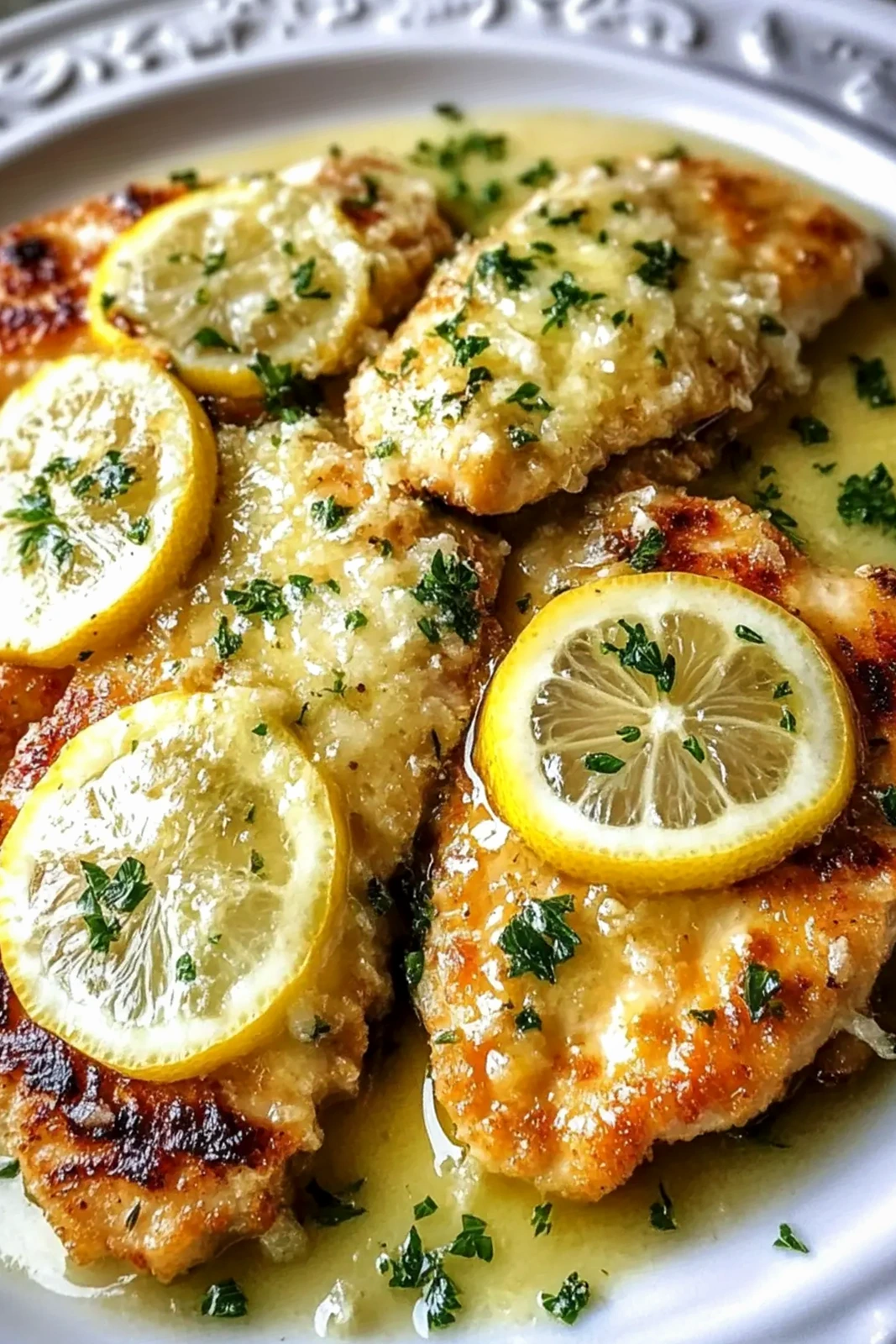
List of ingredients
- 4 pieces boneless, skinless chicken breasts or chicken thighs – use breasts for lean protein or thighs for a juicier result.
- Salt – to taste for basic seasoning.
- Pepper – to taste for a touch of warmth.
- 1 cup all-purpose flour – helps the coating stick and adds crunch; can be replaced with whole wheat flour.
- 2 large eggs – acts as a binder for the cheese coating; flax eggs are a viable alternative.
- 1 cup grated Romano cheese – provides a salty, nutty flavor profile; Parmesan is a suitable substitute.
- 1 tablespoon lemon zest – adds concentrated citrus oils for a fresh aroma.
- 1/4 cup fresh lemon juice – creates the primary tanginess in the pan sauce.
- 3/4 cup chicken broth – used as the liquid base for the sauce, replacing the need for wine.
- 2 tablespoons olive oil – used for frying to achieve a golden, crispy crust.
- 1/4 cup fresh parsley – used for a fresh, herbal finish.
- 2 lemon slices – used for plating and additional citrus flavor.
step-by-step instructions
- Flatten the meat: Use a meat mallet to pound the chicken breasts to a uniform thickness of about 1/2 inch. This ensures the chicken cooks evenly and stays tender throughout.
- Season the chicken: Sprinkle salt and pepper on both sides of the meat. Be generous with the seasoning to ensure the chicken is flavorful beneath the crust.
- Set up the dredging station: Prepare three separate bowls. Place the flour in the first, beat the eggs in the second, and mix the grated Romano cheese with the lemon zest in the third.
- Coat the chicken: Dredge each piece of chicken first in the flour, then dip it into the egg, and finally press it into the cheese mixture. Press the cheese firmly into the meat to ensure the coating adheres during frying.
- Fry until golden: Heat the olive oil in a large skillet over medium-high heat. Cook the coated chicken for 4-5 minutes per side until the crust is golden brown and the internal temperature reaches 165°F.
- Deglaze the pan: Remove the chicken from the skillet and pour in the fresh lemon juice and chicken broth. Simmer for 2-3 minutes, scraping the bottom of the pan to incorporate the browned bits.
- Finish the sauce: Return the chicken to the skillet. Toss and coat the meat in the tangy sauce, heating through for an additional 1-2 minutes.
- Plating: Serve the chicken on a plate, topped with the remaining pan sauce, and garnish with chopped parsley and lemon slices.
Advanced Cooking Techniques for Perfect Results
Achieving Uniform Thickness
Using a meat mallet is essential for this recipe. When chicken breasts vary in thickness, the thin edges overcook and dry out before the center is safe to eat. Pounding them to 1/2 inch ensures every bite is juicy.
The Science of the Three-Step Dredge
The flour absorbs surface moisture and provides a dry base for the egg to cling to. The egg acts as a glue, and the cheese provides the final flavor and texture. Skipping the flour often results in the coating peeling off during the frying process.
Maintaining Optimal Oil Temperature
Wait until the olive oil is shimmering but not smoking before adding the chicken. If the oil is too cold, the cheese and flour will soak up the fat, leading to a greasy crust. If it is too hot, the cheese will burn before the chicken is cooked through.
Effective Pan Deglazing
The brown bits stuck to the bottom of the pan after frying are called fond. Adding the chicken broth and lemon juice allows you to lift these concentrated flavors into the sauce. Use a wooden spoon or whisk to scrape the pan thoroughly during the simmering phase.
Ingredient Substitutions and Modifications
Using Chicken Thighs for Richness
Boneless, skinless chicken thighs are a great alternative to breasts. Thighs have a higher fat content, which makes them more forgiving during the cooking process and provides a deeper flavor. Adjust the cooking time slightly as thighs may take an extra minute per side.
Alternative Cheese Options
While Romano is traditional for its sharp, salty taste, Parmesan is a common and effective substitute. For a creamier, milder flavor, you can use a blend of Pecorino Romano and mild Provolone. Ensure the cheese is finely grated so it adheres better to the egg wash.
Gluten-Free Coating Options
To make this recipe gluten-free, replace the all-purpose flour with almond flour or a certified gluten-free all-purpose blend. Cornstarch can also be used for an even crispier texture. The cheese coating remains naturally gluten-free.
Vegan Binder Alternatives
For those avoiding eggs, a flax egg is a reliable substitute. Mix one tablespoon of ground flaxseed meal with three tablespoons of water and let it sit for five minutes. This creates a gel-like consistency that holds the cheese mixture to the chicken.
Customizing Your Flavor Profiles
Adding Fresh Herbs to the Coating
Incorporate finely chopped fresh basil or thyme directly into the cheese and zest mixture. This adds an aromatic layer to the crust that complements the lemon. Dried oregano is also a good option for a more traditional Italian flavor.
Introducing a Spicy Element
Add a pinch of red pepper flakes to the pan sauce during the simmering stage. The heat of the pepper balances the acidity of the lemon and the saltiness of the Romano cheese. You can also add a dash of paprika to the flour for a smokier tone.
Creating a Velvety Cream Sauce
For a richer finish, stir a tablespoon of unsalted butter or a splash of heavy cream into the sauce just before returning the chicken to the pan. This mellows the sharpness of the lemon and creates a luxurious, restaurant-style glaze.
Exploring Other Citrus Varieties
While lemon is the standard, you can replace half of the lemon juice with lime juice for a brighter, more tropical zest. Orange juice can also be used to create a sweeter, more balanced citrus profile that pairs well with chicken thighs.
Recommended Side Dish Pairings
Classic Italian Garlic Bread
Warm, buttery garlic bread is the ideal accompaniment to soak up the extra lemon sauce. Toast thick slices of sourdough or a baguette with garlic butter and a sprinkle of parsley. The crunch of the bread mirrors the crispiness of the chicken.
Fresh Green Salads
A light salad with mixed greens, cherry tomatoes, and a simple vinaigrette cuts through the richness of the fried cheese. Use a lemon-based dressing to tie the side dish back to the main course. Avoid creamy dressings, which may overwhelm the palate.
Steamed or Roasted Vegetables
Asparagus or broccolini are excellent choices for this meal. Steam them until tender-crisp or roast them with olive oil and salt. These green vegetables provide a healthy contrast to the breaded chicken.
Starchy Bases for Sauce Absorption
Serve the chicken over a bed of creamy risotto or buttered pasta. The starch absorbs the tangy sauce, ensuring none of the flavor is wasted. Mashed potatoes or roasted fingerling potatoes are also satisfying options.
Storage, Freezing, and Reheating
Proper Refrigeration Methods
Store leftover chicken in an airtight container in the refrigerator for up to three days. To prevent the crust from becoming too soggy, store the sauce in a separate container and pour it over the chicken only when reheating.
Freezing the Prepared Chicken
Allow the chicken to cool completely before wrapping each piece tightly in plastic wrap. Place the wrapped pieces in a freezer-safe bag or container for up to three months. Thaw the chicken in the refrigerator overnight before reheating.
Best Reheating Practices
Avoid the microwave, as it can make the breading rubbery and soggy. Instead, reheat the chicken in a skillet over medium-low heat with a small amount of olive oil. Add a splash of chicken broth to the pan to restore the moisture in the sauce.
Make-Ahead Preparation Tips
You can bread the chicken up to 24 hours in advance and store it on a baking sheet covered with plastic wrap in the fridge. This allows the coating to set, which can sometimes lead to an even crispier crust when fried.
Troubleshooting Common Cooking Issues
Fixing a Sauce That Is Too Tangy
If the lemon juice makes the sauce too acidic for your taste, add a small amount of honey or maple syrup. A teaspoon of sweetener can neutralize the sharp acidity without making the dish taste sweet. A bit of extra chicken broth also helps dilute the intensity.
Preventing the Coating from Falling Off
If the cheese crust separates from the meat, it is usually due to excess moisture on the chicken. Pat the chicken completely dry with paper towels before applying the flour. Ensure the egg wash is fully coated before dipping into the cheese.
Avoiding Overcooked and Dry Meat
Use a digital meat thermometer to check the internal temperature of the thickest part of the breast. Remove the chicken from the heat as soon as it hits 165°F. Let the meat rest for five minutes to allow the juices to redistribute.
Keeping the Crust Crunchy After Saucing
To prevent the chicken from becoming soggy, avoid simmering the meat in the sauce for too long. Only return the chicken to the pan for 1-2 minutes to glaze it. Serve immediately after plating to maintain the contrast between the crisp crust and liquid sauce.
Frequently Asked Questions
How do I select the best chicken breasts for this recipe?
Look for chicken breasts that are plump and uniform in color without any grayish tints. Avoid pieces that feel slimy or have a strong odor. For a more succulent result, boneless skinless thighs are often a better choice due to their higher fat content.
Is this dish safe for pets?
No, this recipe is not safe for pets. The high salt content from the Romano cheese and the acidity from the lemon juice can be harmful to dogs and cats. Additionally, garlic or onions used in side dishes are toxic to pets.
Can I use bottled lemon juice instead of fresh?
Bottled juice can be used in a pinch, but fresh lemon juice is highly recommended. Fresh juice contains natural oils and a brighter flavor profile that bottled versions lack. If using bottled juice, start with a smaller amount as it is often more concentrated.
What if I don’t have a meat mallet?
You can use a rolling pin or the bottom of a heavy skillet to flatten the chicken. Place the meat between two sheets of plastic wrap or parchment paper first. Gently pound the meat from the center outward to achieve a uniform thickness.
Print
Crispy Lemon Chicken Romano with Tangy Citrus Sauce
- Total Time: 35 minutes
- Yield: 4 servings 1x
- Diet: General
Description
Lemon Chicken Romano is a delightful crispy chicken dish infused with zesty lemon, perfect for any dinner occasion.
Ingredients
- 4 pieces boneless, skinless chicken breasts
- salt to taste
- pepper to taste
- 1 cup all-purpose flour
- 2 large eggs
- 1 cup grated Romano cheese
- 1 tablespoon lemon zest
- 1/4 cup fresh lemon juice
- 1/2 cup chicken broth
- 1/4 cup chicken broth
- 2 tablespoons olive oil
- 1/4 cup fresh parsley
- 2 slices lemon
Instructions
- Step: Flatten the chicken breasts to about 1/2 inch thickness using a meat mallet.
- Step: Season both sides of the chicken with salt and pepper.
- Step: Prepare a dredging station: place the flour in one dish, beat the eggs in another, and mix the grated Romano cheese with lemon zest in a third dish.
- Step: Dredge each chicken breast first in the flour, then dip in the egg, and finally coat with the cheese mixture.
- Step: Heat olive oil in a skillet over medium-high heat.
- Step: Cook the coated chicken for 4-5 minutes on each side until golden brown and cooked through.
- Step: Add fresh lemon juice, 1/2 cup chicken broth, and 1/4 cup chicken broth into the skillet and simmer for 2-3 minutes.
- Step: Return the chicken to the skillet and coat it in the tangy sauce, heating through for an additional 1-2 minutes.
- Step: Serve the chicken on a plate, topped with sauce, and garnished with freshly chopped parsley and lemon slices.
Notes
Pair with garlic bread for a complete Italian experience. Allow chicken to rest for 5 minutes after cooking.
- Prep Time: 15 minutes
- Cook Time: 15 minutes
- Category: Dinner
- Method: Pan-frying
- Cuisine: Italian
Nutrition
- Serving Size: 1 serving
- Calories: 350 kcal
- Sugar: 1 g
- Sodium: 600 mg
- Fat: 15 g
- Saturated Fat: 3 g
- Unsaturated Fat: 11 g
- Trans Fat: 0 g
- Carbohydrates: 30 g
- Fiber: 1 g
- Protein: 30 g
- Cholesterol: 160 mg