Achieve a golden, crispy crust and juicy interior with this quick stovetop method. It is an ideal weeknight meal that cooks in just 10 minutes using thin-cut chicken and a simple flour dredge.
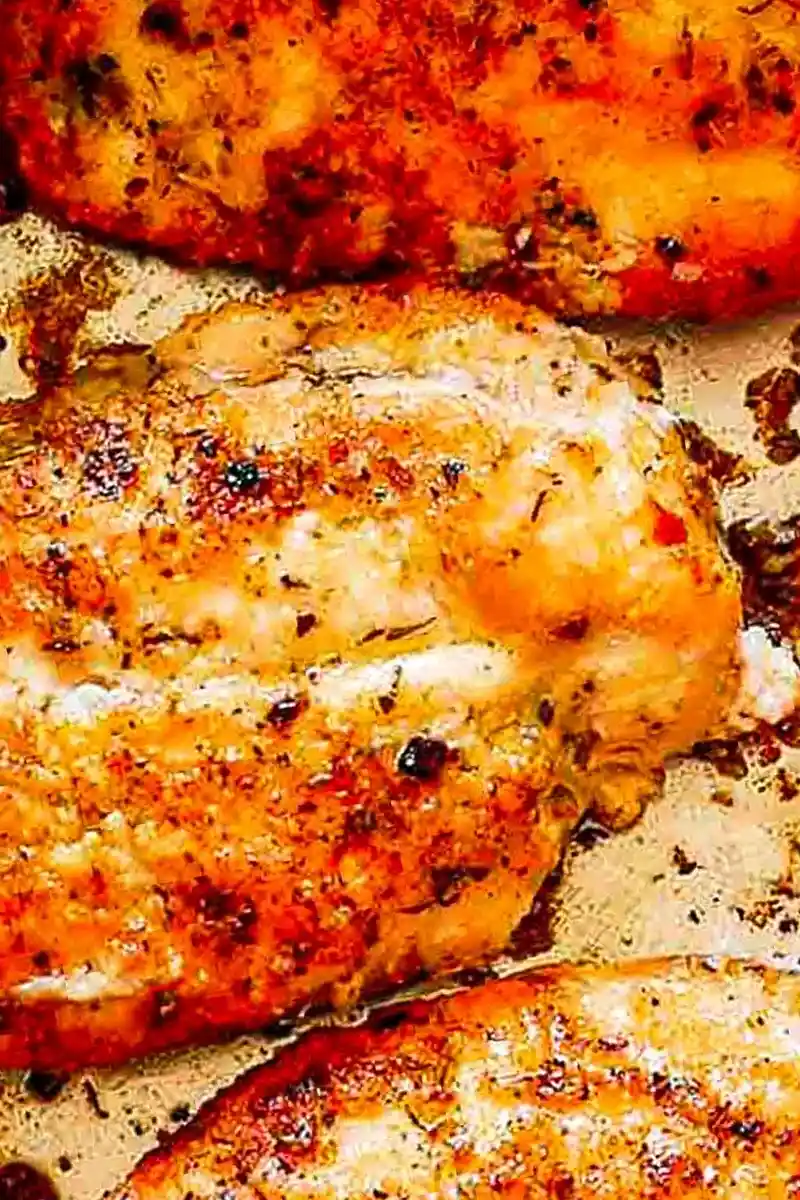
List of ingredients
- 4 chicken breasts (thin, boneless and skinless) – ensure even thickness for uniform cooking.
- 1/2 cup all-purpose flour – creates the crispy outer layer.
- 1 teaspoon sea salt – enhances the savory flavors.
- 1/4 teaspoon black pepper – adds a mild spicy note.
- 1 teaspoon garlic powder – provides a rich, aromatic taste.
- 1 teaspoon onion powder – adds a subtle sweetness and depth.
- 2 teaspoons Italian seasoning – offers a classic herbal blend.
- 2 tablespoons olive oil – used for searing at medium-high heat.
step-by-step instructions
- Prep the meat: Use paper towels to pat the chicken breasts completely dry. If the breasts are thick, butterfly them to create thin, even cuts.
- Prepare the dredge: In a large mixing bowl, whisk together the flour, sea salt, black pepper, garlic powder, onion powder, and Italian seasoning.
- Coat the chicken: Use tongs or a fork to dredge each chicken breast in the flour mixture. Shake off any excess flour to keep the coating light.
- Heat the pan: Place 2 tablespoons of olive oil in a large skillet over medium-high heat. Wait until the oil is hot but not smoking.
- Sear the chicken: Place the coated breasts in the pan and cook undisturbed for 4 to 5 minutes per side. Flip once and cook until the internal temperature reaches 165°F.
- Rest and serve: Remove the chicken from the pan and let it rest for a few minutes before serving. Pair with pasta or steamed vegetables.
Essential Searing Techniques
Use Thin-Cut Chicken for Even Cooking
Thin-cut breasts ensure that the meat cooks through before the exterior burns. If you have thick breasts, butterfly them by slicing horizontally almost all the way through and opening them like a book. You can also use a meat mallet to pound them to a consistent half-inch thickness.
Dry the Surface Thoroughly
Surface moisture is the enemy of a good sear. Pat the chicken very dry with paper towels before applying the flour dredge. Any remaining water will create steam in the pan, which results in a pale, gummy coating instead of a crispy crust.
Avoid Crowding the Skillet
Leaving space between the chicken pieces is critical for maintaining pan temperature. If the pan is too full, the chicken will release moisture that cannot evaporate, leading to steaming. Cook in batches if necessary to ensure every piece has direct contact with the hot oil.
Maintain Medium-High Heat
The temperature must be high enough to crisp the flour but low enough to avoid burning. If the pan is too cold, the chicken will stick and turn gray. If it is too hot, the coating will blacken before the interior reaches a safe temperature.
The Importance of Undisturbed Searing
Resist the urge to move or flip the chicken frequently. Let the meat sit undisturbed for 4 to 5 minutes to allow the Maillard reaction to build a deep golden crust. The chicken will naturally release from the pan once the sear is fully formed.
Ingredient Substitutions and Variations
Gluten-Free Flour Options
Rice flour is an excellent substitute as it maintains a neutral flavor and provides a crisp texture. Almond flour offers a nuttier taste and browns more quickly, so monitor the heat closely. Corn flour or potato starch can also be used for a lighter, starchier crust.
Customizing the Seasoning Blend
The Italian seasoning can be replaced with any dry spice mix. For a spicy kick, use Cajun seasoning or a blend of smoked paprika and cayenne. For a brighter flavor, try lemon pepper or a combination of dried thyme and oregano.
Using Different Cooking Oils
Olive oil works well, but any neutral oil with a high smoke point is suitable. Avocado oil and canola oil are great choices for high-heat searing. Avoid using only butter for the initial sear as it burns quickly at medium-high temperatures.
Adding a Butter Baste Finish
For a restaurant-style finish, add a small pat of butter to the pan during the last minute of cooking. Tilt the pan and spoon the foaming butter over the chicken. This adds a rich, glossy coating and extra depth of flavor.
Storage and Reheating Guide
Proper Refrigeration Basics
Allow the chicken to cool for about an hour before storing to prevent excessive condensation. Place the cooked breasts in an airtight container or a sealed zip-top bag. Refrigerate at or below 40°F for up to 3 to 5 days.
Long-Term Freezing Instructions
Wrap each piece of cooked chicken tightly in foil or plastic wrap to prevent freezer burn. Place the wrapped pieces into a heavy-duty freezer bag. Frozen pan-seared chicken maintains its quality for up to 3 months.
Gentle Reheating Methods
Avoid high microwave settings which can make the meat rubbery. Instead, reheat the chicken in a skillet over medium-low heat with a teaspoon of oil or butter. If using a microwave, use short bursts of power and cover the chicken with a damp paper towel.
Safe Thawing Process
Always thaw frozen chicken slowly in the refrigerator overnight. Do not thaw meat on the kitchen counter, as this can allow bacteria to grow in the danger zone. Once thawed, reheat gently to avoid drying out the protein.
Serving and Meal Prep Ideas
Pairing with Pasta Dishes
This chicken pairs perfectly with garlic butter spaghetti or a creamy alfredo sauce. Slice the breast into strips and lay them over the pasta. Use the leftover pan drippings to flavor your sauce for added depth.
Utilizing in Salads and Bowls
Cooked chicken can be chilled and sliced for a healthy lunch. Add it to a Caesar salad or a grain bowl with quinoa, avocado, and fresh greens. The seasoned crust provides a nice contrast to fresh, raw vegetables.
Vegetable Side Suggestions
Sautéed spinach, roasted carrots, or steamed broccoli complement the savory crust of the chicken. If you have extra room in the pan after removing the meat, sauté the vegetables in the same skillet to pick up the browned bits.
Meal Prep Planning
Double the recipe to prepare protein for the entire work week. Store the sliced chicken in portions so it is easy to grab and go. This removes the need for daily cooking while ensuring you have a high-protein meal ready.
Troubleshooting Common Issues
Why is the Chicken Dry?
Dryness usually occurs when the internal temperature exceeds 165°F. Using a digital instant-read thermometer is the most reliable way to prevent this. Remove the chicken from the heat the moment it reaches the target temperature to preserve the juices.
What to do if the Center is Pink?
If the center is undercooked, return the chicken to the pan over low heat. Cover the skillet loosely with a lid to trap heat and cook the center without burning the exterior. A few additional minutes are usually sufficient.
Fixing a Burnt Exterior and Raw Interior
This happens when the pan is too hot for the thickness of the meat. Lower the heat to medium or medium-low and give the chicken more time to cook. In the future, ensure the chicken is pounded to a consistent thickness.
Preventing Rubbery Texture
Rubbery chicken is often a result of inconsistent heating or overcooking. Ensure the pan is fully preheated before adding the meat to create an immediate sear. Cook the chicken steadily and avoid flipping it more than once.
Solving Soggy Crust Issues
Do not cover the chicken with foil or a lid immediately after cooking. Trapped steam will soften the crispy flour coating. Rest the chicken on a wire rack or an open plate to allow air to circulate around the crust.
Stopping the Coating from Falling Off
The coating usually separates if the chicken was too wet during the dredging process. Always pat the meat dry and shake off excess flour before searing. Ensure the oil is hot enough to set the crust immediately upon contact.
Frequently Asked Questions
Can I use bone-in chicken breasts?
Yes, but the method must change. Sear the bone-in breast in the pan first to brown the exterior, then transfer it to a 375°F oven to finish cooking. Bone-in cuts take much longer and would burn on the stovetop.
How do I keep the chicken from sticking?
Ensure both the skillet and the olive oil are fully heated before adding the chicken. If the oil is lukewarm, the proteins will bond to the metal. A properly seared piece will release itself naturally once the crust has formed.
Can I cook vegetables in the same pan?
It is best to cook vegetables after the chicken has been removed. If you cook them at the same time, the vegetables release moisture that steams the chicken and ruins the crispy crust. Sauté them in the remaining pan juices for better flavor.
How do I prevent uneven cooking?
The most effective method is to pound the chicken to an even thickness of about half an inch to one inch. This ensures that the thin end does not overcook while the thick end remains raw. Consistency in thickness is key for stovetop searing.
Print
Crispy Pan-Seared Chicken Breast
- Total Time: 15 minutes
- Yield: 4 servings 1x
- Diet: General
Description
This pan-seared chicken breast recipe uses thin-cut pieces and a light seasoned flour coating to create a golden, crispy crust while keeping the inside juicy and tender.
Ingredients
- 4 chicken breasts (thin, boneless and skinless)
- 1/2 cup flour
- 1 teaspoon sea salt
- 1/4 teaspoon black pepper
- 1 teaspoon garlic powder
- 1 teaspoon onion powder
- 2 teaspoons Italian seasoning
- 2 tablespoons olive oil
Instructions
- Dry: Paper towel dry your thin chicken breasts (if you bought thick ones, make sure to butterfly each one).
- Mix: In a large bowl, combine flour, salt, black pepper, garlic powder, onion powder and Italian Seasoning. Stir well to blend.
- Coat: Using a fork or tongs, coat the chicken breasts in the flour mixture and set aside.
- Sear: Heat 2 tablespoons of olive oil in a large skillet over medium-high heat. Once the skillet is hot, place flour coated chicken breasts in the skillet and cook for 4 to 5 minutes on each side, until golden brown on both sides and cooked through, turning once between cooking, about 8-10 minutes.
- Serve: Remove chicken from pan and serve warm with pasta or vegetables.
Notes
Thin-cut matters: Butterfly or pound thick breasts to an even thickness to avoid dry meat. Dry before dredging: Pat chicken very dry with paper towels for a crispier crust. Light coating: Tap off excess flour to prevent a pasty texture. Temperature: Use an instant-read thermometer and remove chicken at 165°F.
- Prep Time: 5 minutes
- Cook Time: 10 minutes
- Category: Main Course
- Method: Pan-Searing
- Cuisine: American
Nutrition
- Serving Size: 1 chicken breast
- Calories: 254 kcal
- Sugar: 1 g
- Sodium: 713 mg
- Fat: 10 g
- Saturated Fat: 1 g
- Unsaturated Fat: 9 g
- Trans Fat: 0 g
- Carbohydrates: 13 g
- Fiber: 1 g
- Protein: 25 g
- Cholesterol: 72 mg