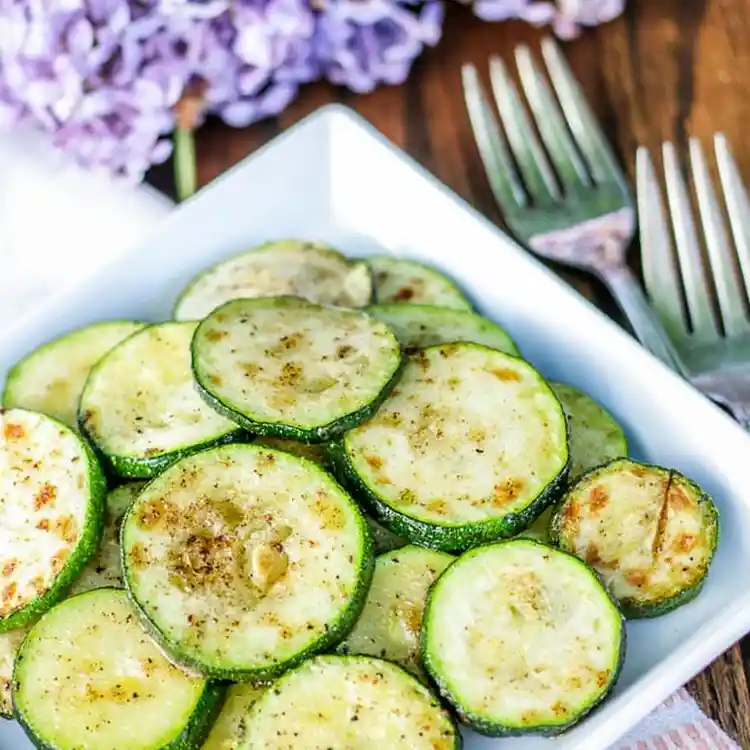
Sautéing zucchini on the stovetop is a fast and effective way to prepare this summer vegetable. This method ensures the squash stays tender-crisp while developing a golden-brown exterior.
List of ingredients
- 3 tablespoons butter – provides rich flavor and aids in browning.
- 2 medium zucchini squash – sliced into uniform rounds.
- 1/2 teaspoon season salt – adds a balanced savory profile.
- 1/2 teaspoon pepper – provides a mild spicy accent.
step-by-step instructions
- Slice the squash: Cut the zucchini into rounds approximately 1/4 inch thick to ensure they cook evenly.
- Prepare the pan: Heat butter in a medium skillet, preferably cast iron, over medium-high heat until the butter is completely melted.
- Sear the zucchini: Add the zucchini slices to the pan, shaking the skillet to arrange them in a single layer, then season with season salt and pepper.
- Brown the first side: Leave the zucchini undisturbed for several minutes until the bottom surfaces are golden brown.
- Flip and finish: Flip the slices over and repeat the searing process until the other side is also golden brown.
Guidelines for Selecting the Best Zucchini
Choose Medium-Sized Squash
Opt for zucchini that are medium in size, typically 6 to 8 inches long. Smaller squash are often more tender, while excessively large ones can have tough skins and larger, waterier seeds.
Inspect the Skin Texture
Look for zucchini with a firm, glossy skin that is free from soft spots or shriveling. A firm feel indicates that the vegetable is fresh and will maintain its structure during the sautéing process.
Explore Different Color Varieties
While green zucchini is most common, yellow squash provides a similar texture and a slightly milder flavor. You can use a mix of both colors to add visual appeal to your side dish.
Optimizing Your Cooking Equipment
Benefits of Using a Cast Iron Skillet
Cast iron is highly recommended because it retains heat exceptionally well. This prevents the pan temperature from dropping when the cold vegetables are added, which is key to preventing sogginess.
Utilizing Stainless Steel Pans
Stainless steel is an excellent alternative for achieving a deep sear. It allows for the development of fond, the browned bits of food that stick to the pan and enhance the overall flavor.
Using Non-Stick Skillets for Ease
Non-stick pans are useful for those who prefer a quicker cleanup. However, they may not brown the zucchini as intensely as cast iron or stainless steel due to their different heat distribution properties.
Techniques to Prevent Soggy Zucchini
Blot Slices with Paper Towels
Zucchini has a very high water content. Patting the sliced rounds with a paper towel before adding them to the pan removes surface moisture, allowing the butter to sear the vegetable immediately.
Apply Salt to Draw Out Moisture
Sprinkling salt on the raw slices and letting them sit for 10 to 15 minutes encourages osmosis. This draws excess water out of the zucchini, which you can then wipe away before cooking.
Maintain a High Heat Level
Cooking over medium-high heat ensures that the water on the surface of the zucchini evaporates quickly. Low heat causes the vegetable to steam in its own juices, resulting in a mushy texture.
Avoid Overcrowding the Pan
Ensure the zucchini slices are in a single layer with a bit of space between them. Overcrowding traps steam between the pieces, which prevents browning and leads to a boiled consistency.
Flavor Enhancements and Variations
Add Minced Garlic for Aroma
Adding finely minced garlic during the last two minutes of cooking adds a pungent, savory depth. Avoid adding it at the beginning, as garlic burns quickly at medium-high temperatures.
Incorporate Fresh Lemon Zest
Stirring in a pinch of fresh lemon zest right before serving brightens the dish. The acidity of the lemon cuts through the richness of the butter and highlights the natural sweetness of the squash.
Use Dried Oregano or Thyme
Dried herbs like oregano, thyme, or basil can be added along with the season salt. These herbs infuse the butter and provide an earthy, Mediterranean-style flavor profile.
Finish with Grated Parmesan Cheese
Sprinkle freshly grated Parmesan over the hot zucchini immediately after removing the pan from the heat. The residual heat melts the cheese, creating a salty, savory crust.
Stir in Red Pepper Flakes
For those who prefer a bit of heat, add a pinch of crushed red pepper flakes to the butter. This adds a subtle spicy kick that complements the mild taste of the zucchini.
Practical Ingredient Substitutions
Replace Butter with Olive Oil
Extra virgin olive oil is a great alternative for a lighter, fruitier flavor. Note that you may need to cook the zucchini slightly longer to achieve the same level of browning as butter.
Use Avocado Oil for High Heat
Avocado oil has a higher smoke point than butter or olive oil. This makes it ideal if you prefer to use very high heat to get a quick, charred exterior without the oil smoking.
Swap Season Salt for Kosher Salt and Garlic Powder
If you do not have season salt, use a combination of kosher salt and garlic powder. This allows you to control the salt levels while still providing the necessary savory notes.
Substitute Yellow Squash for Green Zucchini
Yellow summer squash can be used in a 1:1 ratio with green zucchini. The cooking time and method remain identical, though the flavor is slightly sweeter.
Serving Suggestions and Pairings
Pairing with Grilled Proteins
Stovetop zucchini pairs exceptionally well with grilled chicken breasts or seared salmon. The buttery flavor of the squash complements the smoky char of grilled meats.
Serving Alongside Grains
Serve the sautéed rounds over a bed of quinoa, brown rice, or farro. The grains absorb the leftover butter from the pan, creating a cohesive and filling meal.
Incorporating into a Pasta Dish
Toss the cooked zucchini slices into a bowl of spaghetti or penne with a splash of olive oil. This turns a simple side dish into a light, vegetable-forward main course.
Storage and Reheating Advice
Proper Refrigeration Techniques
Store leftover zucchini in an airtight container in the refrigerator for up to three to five days. Ensure the vegetables are completely cooled before sealing the lid to prevent excess condensation.
Optimal Reheating in a Skillet
To maintain the best texture, reheat the zucchini in a skillet over medium heat for 2 to 3 minutes. This helps evaporate any moisture that accumulated during refrigeration.
Microwave Reheating Tips
If using a microwave, heat the zucchini in short 30-second bursts. Stir between intervals to ensure even heating and avoid overcooking the centers, which can make them mushy.
Troubleshooting Common Issues
Addressing Burnt Butter
If the butter begins to brown too quickly or smoke, reduce the heat immediately. You can add a teaspoon of water or more butter to stabilize the temperature and prevent burning.
Handling Undercooked Centers
If the outside is brown but the center is too raw, lower the heat slightly and cover the pan with a lid for one minute. This traps a small amount of steam to cook the interior through.
Fixing Overly Watery Results
If the zucchini releases too much liquid in the pan, increase the heat to high. This will boil off the excess moisture quickly and allow the browning process to resume.
Frequently Asked Questions
What is the healthiest way to eat zucchini?
Eating zucchini raw in salads is the most nutrient-dense option. However, sautéing it quickly over high heat preserves most of its vitamins while making it more palatable for many people.
How do I stop zucchini from getting soggy?
The best way to prevent sogginess is to use a very hot pan and avoid overcrowding the slices. Using a cast iron skillet and patting the slices dry before cooking also significantly helps.
How long does it take to sauté zucchini on the stove?
It typically takes between 5 to 10 minutes depending on the thickness of the slices. You are looking for a light golden-brown color on both sides while the center remains slightly firm.
Can I use a different type of oil instead of butter?
Yes, olive oil or avocado oil are excellent substitutes. Avocado oil is particularly useful if you are cooking at very high temperatures due to its high smoke point.
Should I peel the zucchini before cooking?
Peeling is not necessary as the skin is thin, edible, and contains many nutrients. Leaving the skin on also helps the slices hold their shape better during the sautéing process.
Print
How to Cook Zucchini on the Stovetop
- Total Time: 7 minutes
- Yield: 4 servings 1x
- Diet: Vegetarian
Description
Learn how to cook zucchini on the stovetop – it is the best way and so easy! This simple and delicious method lets the zucchini be the star of the show.
Ingredients
- 3 tablespoons butter
- 2 medium zucchini squash
- 1/2 teaspoon season salt
- 1/2 teaspoon pepper
Instructions
- Step: Slice zucchini into 1/4 inch slices.
- Step: Heat butter in a medium skillet (cast iron works best) over medium-high heat until butter is melted.
- Step: Add zucchini to the pan, and shake into a single layer and season with season salt and pepper.
- Step: Leave without moving for a few minutes until golden brown.
- Step: Flip slices over and repeat previous step.
Notes
Using high heat will brown the outside of the zucchini quickly and keep it from becoming mushy.
- Prep Time: 2 minutes
- Cook Time: 5 minutes
- Category: Side Dish
- Method: Sautéing
- Cuisine: American
Nutrition
- Serving Size: 1 serving
- Calories: 92 kcal
- Sugar: 2 g
- Sodium: 373 mg
- Fat: 8 g
- Saturated Fat: 5 g
- Unsaturated Fat: 3 g
- Trans Fat: 0 g
- Carbohydrates: 3 g
- Fiber: 1 g
- Protein: 1 g
- Cholesterol: 22 mg