I truly believe that making artisan-quality bread at home doesn’t have to be intimidating. This high hydration bread recipe makes it surprisingly simple to achieve that perfect bakery-style crumb, with a crisp crust and soft, open interior. We’re taking the popular no-knead method and adding a rich, savory twist: roasted garlic and rosemary ribbons swirled through every slice. This recipe uses a long, slow fermentation process (most of the work happens while you sleep!) which develops incredible depth of flavor and texture. This versatile loaf is perfect for everything from sandwiches to dipping in soup, and it’s guaranteed to impress your family and friends. Get ready to bake the most flavorful and satisfying bread you’ve ever made in your own kitchen.
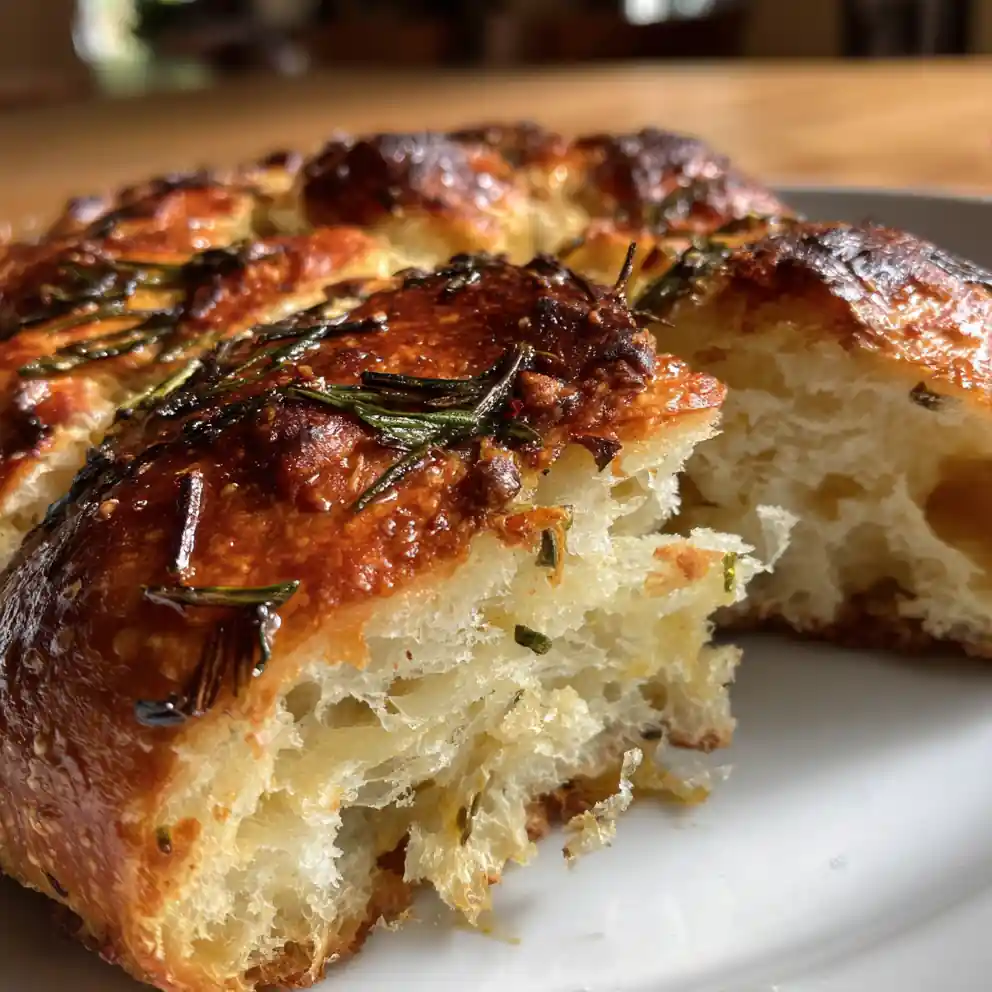
Ingredients
- Strong Bread Flour: 500 g (4 cups)
This higher protein flour (12-14%) is essential for developing a strong gluten structure needed to hold the high hydration dough. Avoid using all-purpose flour for this specific recipe, as it results in a denser loaf that doesn’t rise as well. Keep extra flour on hand for dusting your work surface during shaping, but use sparingly. - Water: 375 ml (1 ½ cups + 2 tablespoons)
Use lukewarm water, ideally between 32-38°C (90-100°F), to activate the yeast properly. The high ratio of water to flour (75%) creates the light, airy crumb structure. Using tap water is fine, but avoid heavily chlorinated water which can inhibit yeast activity. - Instant Dry Yeast: 3 g (1 teaspoon)
Instant yeast can be mixed directly into the flour without pre-hydration, saving time and simplifying the process. Ensure your yeast is fresh by checking the expiration date; dormant yeast will prevent the dough from rising. If using active dry yeast, proof it in a small amount of the lukewarm water first for 5-10 minutes until foamy. - Fine Sea Salt: 10 g (2 teaspoons)
Salt adds essential flavor and controls the fermentation speed of the yeast. Do not reduce the amount of salt too much, as it directly impacts the structure and taste of the finished bread. Use fine grain salt to ensure even distribution in the dough; avoid large flakes or coarse kosher salt unless adjusting the volume. - Whole Head Garlic: 1 head
Roasting the garlic mellows its sharp flavor, transforming it into a sweet, creamy paste for the ribbons. Choose a firm, fresh head of garlic without green sprouts or soft spots. You can roast extra garlic to keep on hand for other recipes. - Extra Virgin Olive Oil: 60 ml (¼ cup), divided
Used to roast the garlic, create the savory paste, and finish the baked bread. Use a good quality olive oil for the best flavor, as it forms a significant part of the ribbon filling. - Fresh Rosemary: 15 ml (1 tablespoon) finely chopped, plus extra sprigs for garnish
Fresh rosemary provides a bright, piney aroma that perfectly complements the roasted garlic. Avoid using dried rosemary for this high hydration bread recipe; the fresh herb adds much better flavor and texture. Finely chop the rosemary to ensure it distributes evenly throughout the ribbons.
Instructions
- Prepare the Roasted Garlic-Rosemary Ribbons: Preheat your oven to 200°C (400°F). Slice off the top ¼ inch of the garlic head to expose the cloves, then place it on a small piece of aluminum foil and drizzle with 5 ml (1 teaspoon) olive oil. Wrap tightly and roast for 30-40 minutes, or until the cloves are very soft and golden. Once cooled slightly, squeeze the roasted garlic out of the skin, mash it with a fork, and combine it with 45 ml (3 tablespoons) of olive oil and the chopped rosemary to form a savory paste. Reserve the remaining 10 ml olive oil for drizzling after baking.
- Mix the Dough: In a large bowl, combine the flour, water, salt, and instant dry yeast. Mix with a wooden spoon or your hands until a shaggy dough forms and all the dry flour is absorbed. Cover the bowl and let the dough rest at room temperature for 30 minutes (autolyse), allowing the flour to fully hydrate before kneading.
- Stretch and Fold: Perform four sets of stretch and folds over the next 2 hours, with 30-minute intervals between each set. Lightly dampen your hands and grab a portion of the dough from the edge, stretching it upward and folding it over the center. Rotate the bowl and repeat this process 3-4 times for each set to build strength in the high hydration dough. Re-cover after each set.
- First Fermentation: After completing the fourth set of stretch and folds, cover the bowl and allow the high hydration bread dough to continue fermenting at room temperature for 1-2 hours. The dough should have noticeably increased in volume and appear bubbly and jiggly, indicating the yeast is active.
- Shape the Loaf with Ribbons: Lightly flour your work surface and gently turn the dough out onto it, being careful not to deflate the air bubbles you created. Using floured hands, carefully stretch or pat the dough into a rough rectangle, about 30×20 cm (12×8 inches). Evenly spread the roasted garlic-rosemary paste over the surface, leaving a 1 cm (½ inch) border around the edges. Roll the dough up tightly from one of the long sides into a log and pinch the seam closed. Gently tuck in the ends to create tension on the surface. My kids love to help me with this shaping part, especially rolling up the log, so I often make this high hydration bread recipe on the weekend when we have more time together.
- Second Fermentation (Proofing): Place the shaped dough seam-side up into a well-floured banneton or a bowl lined with a floured linen cloth. Cover the banneton/bowl and refrigerate for 12-18 hours, which deepens the flavor and simplifies baking. Alternatively, proof at room temperature for 1-2 hours until visibly puffy and springs back slowly when gently poked.
- Preheat Oven and Dutch Oven: About 45 minutes before baking, place your Dutch oven with its lid into a cold oven and preheat the oven to 230°C (450°F). This ensures the Dutch oven is fully heated through, creating the ideal baking environment for a crisp crust.
- Bake the Bread: Once preheated, carefully invert the dough from the banneton into the hot Dutch oven. Score the top of the dough with a sharp knife or razor blade to allow for expansion (a simple cross or single slash works well). When scoring, use a very sharp razor blade to avoid tearing the delicate high hydration dough surface. Bake with the lid on for 30 minutes, then remove the lid and bake for another 20-25 minutes until the crust is deep golden brown and sounds hollow when tapped on the bottom.
- Cool and Serve: Carefully remove the bread from the Dutch oven and transfer it to a wire rack to cool completely for at least 1-2 hours before slicing. Slicing too early releases steam and results in a gummy texture; patience is key here for this type of high hydration bread. Once cooled, slice and enjoy, drizzling with the reserved olive oil and adding a fresh rosemary sprig for a finishing touch.
Troubleshooting Your High Hydration Dough
Here are some common questions and solutions for working with this type of dough, which handles differently than a standard bread dough.
Why is my dough so sticky?
High hydration doughs are naturally stickier than standard bread doughs because of the high water content. Avoid adding excess flour during shaping, which can dry out the final product. Instead, lightly dampen your hands with water or use a minimal amount of oil on your workspace. I find that a light layer of olive oil on my hands when handling the dough for shaping helps me control it without adding extra flour.
How do I get an open, airy crumb?
The key to achieving an open crumb structure lies in a strong gluten network combined with a good rise. Ensure you perform all stretch and folds as instructed to build strength in the high hydration dough. The long, slow cold proofing also contributes significantly to developing the structure and flavor.
What if my dough doesn’t rise during proofing?
First, check the expiration date of your yeast and ensure the water temperature was lukewarm, not hot (which kills yeast). If your kitchen is cold, find a warm spot (like on top of the fridge or near a heating vent) to proof the high hydration dough. Insufficient rising can also be caused by old flour, which doesn’t provide enough protein for the gluten network.
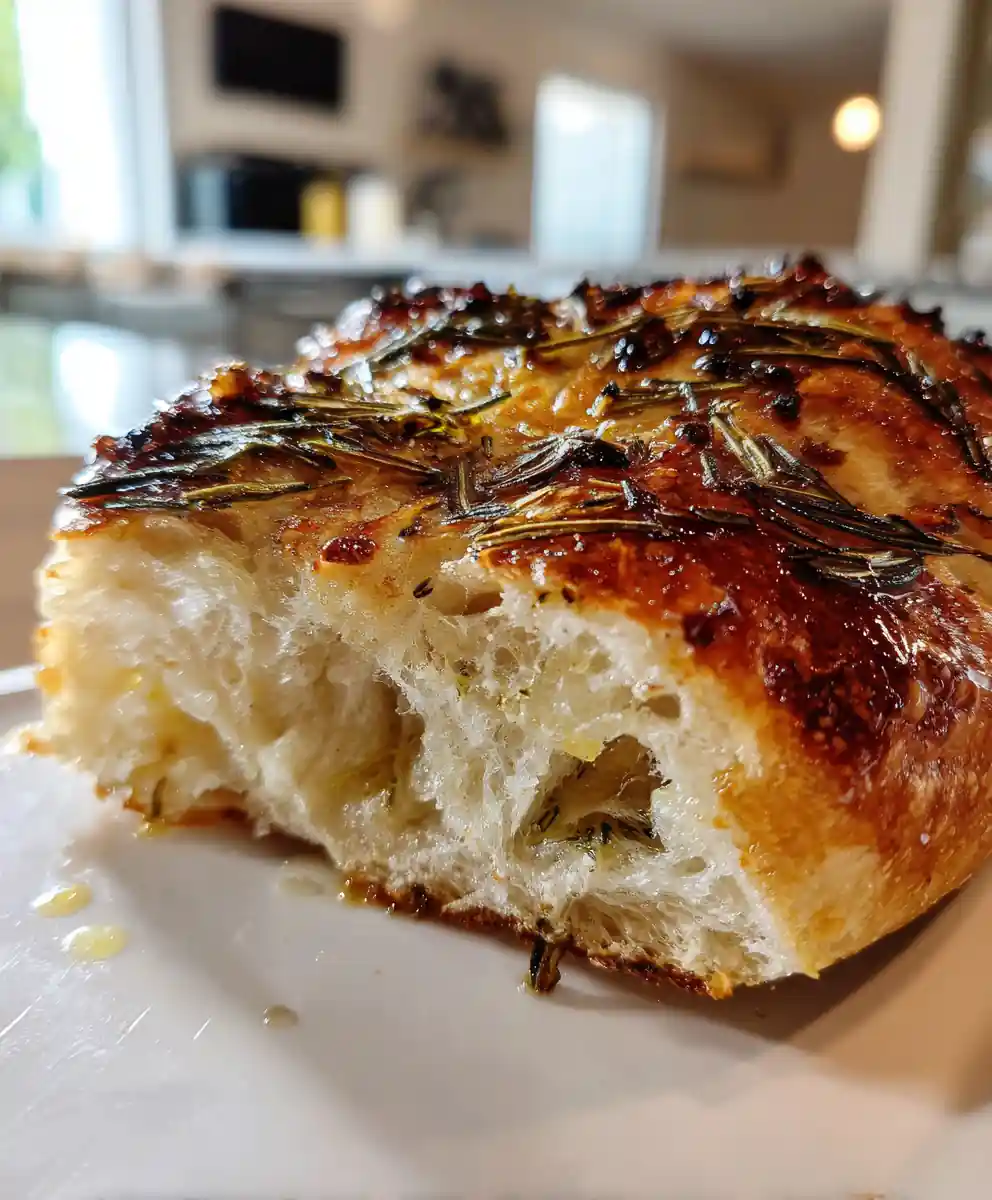
The Role of the Dutch Oven in Baking
Why use a Dutch oven?
Baking bread in a Dutch oven mimics a professional steam-injected oven. The enclosed space traps the steam released by the dough during the initial baking phase, keeping the crust soft and allowing for maximum oven spring before the crust hardens. This results in the characteristic crispy crust and soft crumb of this high hydration bread recipe.
Can I bake this without a Dutch oven?
Yes, you can achieve a similar result on a preheated baking stone or thick baking sheet. To create steam, place a metal pan on the rack below and pour hot water into it just before placing the dough in the oven. This helps keep the crust from setting too early, allowing for better rise.
FAQs
Can I use a stand mixer for this recipe?
Yes, instead of hand mixing and stretch and folds, you can mix in a stand mixer with a dough hook on low speed for 8-10 minutes until the dough pulls away from the sides. Be careful not to overmix, as high hydration dough can quickly become too warm in a stand mixer.
How do I adjust the schedule for my convenience?
The long cold proofing in the refrigerator (step 6) is very forgiving and flexible. You can proof it for anywhere from 12 to 18 hours, making this high hydration bread recipe easy to fit around your work or family schedule. This method also creates deeper flavor in the finished loaf, making it great for easy dinner ideas.
What if I don’t want the garlic and rosemary ribbons?
Simply omit step 1 and step 5, and shape the plain high hydration dough loaf instead. You can substitute other ingredients, like sun-dried tomatoes, olives, or cheese. This makes the loaf easily customizable for healthy eating goals or personal preferences.
How do I know when the bread is done?
The bread should reach an internal temperature of 90-95°C (195-205°F) and have a deep golden-brown crust. When tapped on the bottom, it should sound hollow. This indicates that all of the moisture has evaporated from the crumb, creating a light and airy texture.
How should I store the leftover bread?
Store the cooled high hydration bread in a paper bag at room temperature for up to 2 days to maintain the crust’s texture. For longer storage, freeze slices or half loaves in an airtight container for up to 3 months. When reheating, I like to warm individual slices in a toaster oven for 5-10 minutes to bring back the crispness.
Conclusion
This high hydration bread recipe proves that creating beautiful, flavorful, and truly artisan bread at home doesn’t require complex techniques or special skills. The savory combination of roasted garlic and rosemary ribbons adds a special touch that makes this loaf perfect for sharing during a weeknight meal or holiday gathering. Take advantage of the long cold proofing to fit this recipe seamlessly into your busy schedule for healthy eating. Save this recipe on Pinterest so you can make this delicious loaf again and again.
Print
high hydration bread recipe
- Total Time: 1100 minutes
- Yield: 1 loaf (8 servings) 1x
- Diet: Vegetarian
Description
This high hydration, no-knead bread recipe features a savory swirl of roasted garlic and rosemary ribbons, resulting in an artisan-quality loaf with a crisp crust and soft, airy crumb after a long, slow fermentation.
Ingredients
- 500 g strong bread flour
- 375 ml water, lukewarm
- 3 g instant dry yeast
- 10 g fine sea salt
- 1 head whole garlic
- 60 ml extra virgin olive oil, divided
- 15 ml fresh rosemary, finely chopped
Instructions
- Prepare Roasted Garlic Ribbons: Preheat oven to 200°C (400°F). Slice off the top 0.25 inch of the garlic head. Place on foil, drizzle with 5 ml (1 teaspoon) olive oil, wrap tightly, and roast for 30-40 minutes until cloves are soft. Squeeze out roasted garlic and mash with a fork. Combine with 45 ml (3 tablespoons) olive oil and chopped rosemary to form a paste. Reserve the remaining 10 ml olive oil for drizzling.
- Mix the Dough: In a large bowl, combine the flour, water, salt, and instant dry yeast. Mix until a shaggy dough forms and all dry flour is absorbed. Cover and let rest for 30 minutes (autolyse).
- Perform Stretch and Folds: Over the next 2 hours, perform four sets of stretch and folds with 30-minute intervals between each set. Lightly dampen hands, grab an edge of the dough, stretch it upward, and fold it over the center. Rotate the bowl and repeat this 3-4 times per set. Cover after each set.
- First Fermentation: After the fourth stretch and fold, cover the bowl and allow the dough to continue fermenting at room temperature for 1-2 hours, until visibly increased in volume and bubbly.
- Shape the Loaf with Ribbons: Lightly flour your work surface and turn out the dough. Gently stretch or pat the dough into a rough rectangle (about 30×20 cm or 12×8 inches). Evenly spread the roasted garlic-rosemary paste over the surface, leaving a 1 cm (0.5 inch) border. Roll the dough up tightly from one long side into a log and pinch the seam closed. Gently tuck in the ends to create surface tension.
- Second Fermentation (Proofing): Place the shaped dough seam-side up into a well-floured banneton or a floured linen-lined bowl. Cover and refrigerate for 12-18 hours to deepen flavor and simplify baking. Alternatively, proof at room temperature for 1-2 hours until puffy.
- Preheat Oven and Dutch Oven: Approximately 45 minutes before baking, place your Dutch oven with its lid into a cold oven and preheat to 230°C (450°F).
- Bake the Bread: Carefully invert the dough from the banneton into the hot Dutch oven. Score the top of the dough with a sharp knife or razor blade. Bake with the lid on for 30 minutes, then remove the lid and bake for another 20-25 minutes, or until the crust is deep golden brown.
- Cool and Serve: Carefully remove the bread from the Dutch oven and transfer to a wire rack to cool completely for at least 1-2 hours before slicing. Drizzle with the reserved olive oil before serving.
Notes
Slicing the bread too early releases steam and results in a gummy texture; ensure it cools completely for at least 1-2 hours. Use strong bread flour for the best gluten structure in this high hydration dough. For a simpler proofing process and enhanced flavor, refrigerate the dough for 12-18 hours (cold proof). Store leftover bread tightly wrapped at room temperature for up to 3 days.
- Prep Time: 80 minutes
- Cook Time: 55 minutes
- Category: Baking
- Method: Baking
- Cuisine: General
Nutrition
- Serving Size: 1 slice (115 g)
- Calories: 290 calories
- Sugar: 1 g
- Sodium: 500 mg
- Fat: 7 g
- Saturated Fat: 1 g
- Unsaturated Fat: 5.6 g
- Trans Fat: 0 g
- Carbohydrates: 47 g
- Fiber: 2 g
- Protein: 8 g
- Cholesterol: 0 mg
FREE PRINTABLE RECIPE
Get the Printable Recipe PDF (Free)
Enter your email and we’ll send you the ingredients + step-by-step instructions as a clean PDF you can save to your phone.
- ✅ Printable PDF (ingredients + steps)
- ✅ Save it to your phone (no long scrolling)
- ✅ Includes cook time + servings
- ✅ Easy to follow
FAQ
Where’s the full recipe?
It’s delivered as a printable PDF so you can save it and cook without scrolling.
I didn’t get the email.
Check Spam/Promotions and search your inbox for your site name. Then click Confirm to receive the PDF.