I often find myself craving something vibrant and flavorful after a long day, and this traditional pad thai recipe always delivers. It fills my kitchen with an irresistible aroma of sweet, sour, and savory notes, promising a satisfying meal for the whole family. Perfect for busy weeknights, this recipe transforms simple ingredients into an amazing family-friendly feast. Get ready for a delicious journey from ingredients to serving!
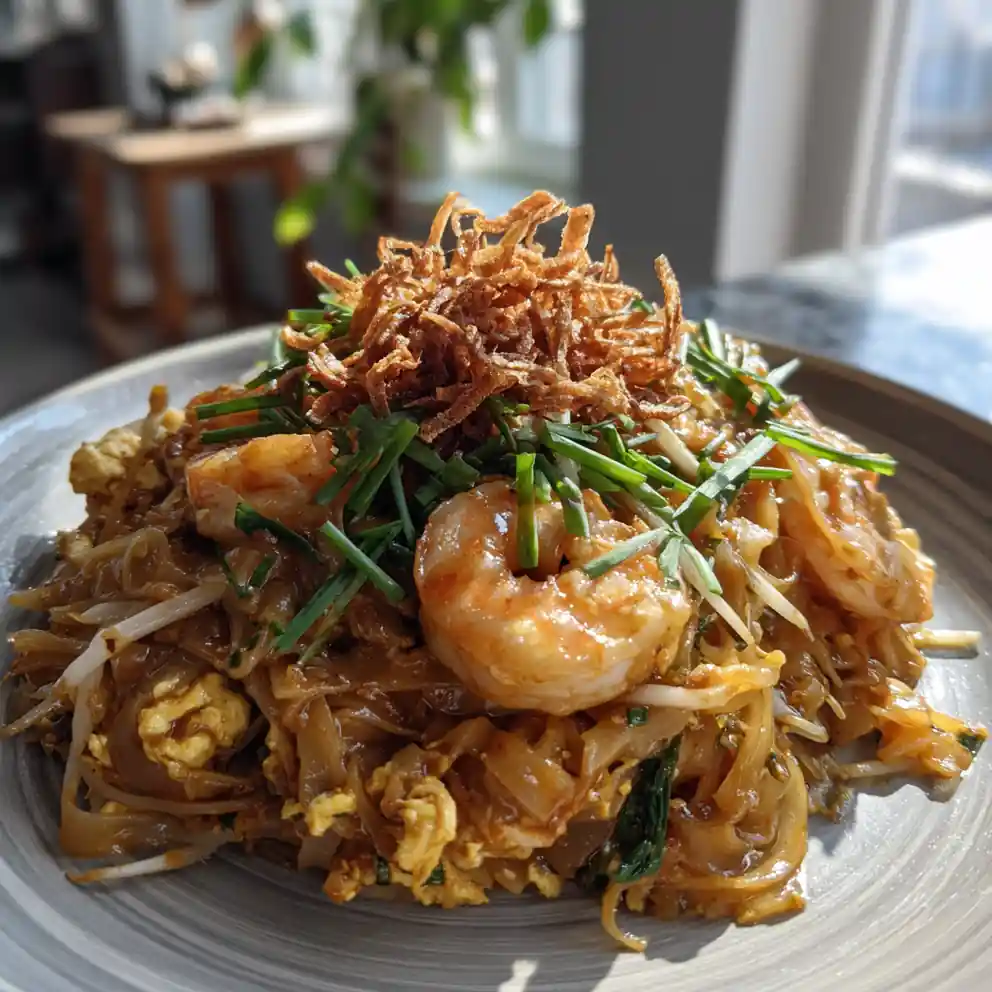
Pad Thai Pantry Essentials: Ingredients & Smarter Swaps
Gathering your ingredients is the first step to a truly authentic pad thai experience. Here’s what you’ll need, with some smart swaps for health-conscious cooking or dietary needs.
- Rice Noodles: 200 g (7 oz) dried flat rice noodles (about 5-7 mm wide), for that essential chewy, tender texture.
- Neutral Cooking Oil: 30 ml (2 tablespoons), divided, perfect for stir-frying proteins and noodles.
- Chicken: 200 g (7 oz) boneless, skinless chicken breast, thinly sliced against the grain, providing lean protein.
- Shrimp: 150 g (5.3 oz) raw shrimp, peeled, deveined, tails on, adding quick-cooking seafood flavor.
- Eggs: 2 large eggs, lightly beaten, for richness and binding the noodles.
- Garlic: 2 cloves garlic, minced, essential for aromatic depth.
- Bean Sprouts: 60 g (2 oz) fresh bean sprouts, plus more for garnish, providing a crucial crisp crunch.
- Chives (or Green Onions): 30 g (1 oz) fresh chives, cut into 2.5 cm (1 inch) lengths, plus more for garnish, offering a mild onion flavor.
- Red Radish: 1/2 small red radish, thinly sliced, for a pop of visual appeal.
- Firm Tofu: 115 g (4 oz) firm tofu, pressed and cubed, for texture and a plant-based protein boost.
- Roasted Peanuts: 60 g (1/2 cup) roasted peanuts, roughly chopped, for essential crunch and nutty richness.
- Fresh Lime: 1-2 fresh limes, for bright zest and acidity, served as wedges for garnish.
Our traditional pad thai recipe also relies on a balanced sauce for its signature taste:
- Tamarind Paste: 60 g (1/4 cup) seedless pulp tamarind paste, the tangy base for authentic flavor (or blend fresh lime juice with a touch of brown sugar for a similar tang in a pinch).
- Hot Water: 60 ml (1/4 cup) hot water, to dissolve the tamarind paste smoothly.
- Palm Sugar: 45 g (3 tablespoons) palm sugar, finely chopped, or light brown sugar, to provide sweet balance and caramel notes.
- Fish Sauce: 45 ml (3 tablespoons) fish sauce, crucial for umami depth and a salty foundation.
- Rice Vinegar: 15 ml (1 tablespoon) alcohol-free rice vinegar, for bright acidity and a flavor pop.
- Red Pepper Flakes: A pinch of red pepper flakes (optional), for a gentle kick (or 1 tsp Sriracha/chili garlic paste for a spicier kick).
For health-forward upgrades, consider using organic chicken or sustainable wild-caught shrimp, low-sodium fish sauce, or whole grain rice noodles. Fresh tamarind concentrate also elevates the flavor.
You can easily adapt this dish for various dietary needs:
- Keto: Swap rice noodles for zucchini noodles.
- Vegan: Use extra tofu or mushrooms, substitute fish sauce with tamari or a vegan fish sauce, and omit the eggs.
- Low-carb: Opt for shirataki noodles instead of rice noodles.
- Diabetic-friendly: Use a sugar-free sweetener in the sauce and monitor noodle portions.
For the best quality, always seek fresh, crisp bean sprouts, firm tofu, plump, sweet shrimp, ripe, juicy limes, and a high-quality tamarind paste.
Crafting Your Classic Pad Thai: Method & Kitchen Tools
Making a delicious traditional pad thai recipe at home is simpler than you might think. Follow these steps for a satisfying, hearty meal.
- Prep Noodles (15-20 min soak): Place rice noodles in a large bowl and cover with hot tap water. Let them soak until they are pliable but still firm to the bite. Drain thoroughly; the noodles should feel flexible.
- Make Pad Thai Sauce (2 min): In a small bowl, whisk together the 60g (1/4 cup) tamarind paste, 60ml (1/4 cup) hot water, 45g (3 tablespoons) palm sugar, 45ml (3 tablespoons) fish sauce, 15ml (1 tablespoon) alcohol-free rice vinegar, and a pinch of red pepper flakes (if using) until smooth. Set aside.
- Prepare Tamarind-Cashew Drizzle (5 min): Drain soaked cashews. In a small blender, combine the drained cashews, 30ml (2 tablespoons) fresh lime juice, 30g (2 tablespoons) tamarind paste, 15g (1 tablespoon) palm sugar, 15ml (1 tablespoon) fish sauce, 15ml (1 tablespoon) warm water, and a pinch of red pepper flakes (if using). Blend until smooth and creamy, adding a tiny bit more water if needed to reach a thick, pourable consistency. This drizzle adds a premium flavor.
- Make Crispy Shallots (5-7 min): If making fresh, heat 60ml (1/4 cup) neutral oil in a small pan over medium heat. Add the thinly sliced shallot and fry, stirring occasionally, until golden brown and crispy. Remove with a slotted spoon onto a paper towel-lined plate to drain.
- Cook Proteins (5-7 min): Heat 15 ml (1 tablespoon) neutral cooking oil in a large wok or a 30 cm (12-inch) non-stick skillet over medium-high heat until shimmering. Add the chicken slices and stir-fry for 2-3 minutes until lightly browned and cooked through. Remove the chicken from the wok and set aside. Add the remaining 15 ml (1 tablespoon) neutral cooking oil. Add the shrimp and/or cubed firm tofu; stir-fry for 2-3 minutes until pink and cooked through (for shrimp) or golden (for tofu). Remove from the wok and set aside.
- Scramble Eggs & Garlic (2 min): Add the minced garlic to the wok and stir-fry for 30 seconds until fragrant. Push the garlic to one side, then pour the beaten eggs into the empty space. Scramble the eggs until just set, then break into smaller pieces and mix with the garlic.
- Combine & Cook Noodles (2-3 min): Add the drained rice noodles to the wok. Pour the prepared Pad Thai Sauce over the noodles and toss vigorously for 2-3 minutes until the noodles are evenly coated and slightly softened. If the noodles stick together, add a tablespoon of water or a tiny bit more oil to loosen them.
- Finish & Serve (1-2 min): Return the cooked chicken, shrimp, or tofu to the wok. Add the 60g (2 oz) fresh bean sprouts, 30g (1 oz) chives, and thinly sliced red radish. Toss everything together for 1-2 minutes until the vegetables are tender-crisp and vibrant.
For appliance options, a stovetop with a wok or large skillet is best for classic stir-fry techniques and quick cooking. An Instant Pot can save time on pre-cooking chicken, while an Air Fryer can create wonderfully crispy tofu pieces. One tip I use at home: I always ensure my wok is screaming hot before adding ingredients, which helps achieve that desirable ‘wok hei’ flavor.
If you encounter common issues: if the dish tastes bland, adjust with more fish sauce, lime juice, or a pinch of sugar. To avoid soggy noodles, ensure they are drained thoroughly after soaking and cook on high heat, taking care not to over-soak them initially.
Perfect Occasions & Delicious Pairings for Traditional Pad Thai
Our traditional pad thai recipe shines in many settings, making it a truly versatile dish.
- Effortless weeknight dinner
- Impressive casual lunch
- Easy meal prep
To complement this vibrant dish, consider these refreshing pairings:
- Fresh cucumber salad
- Crispy spring rolls
- Refreshing coconut water
Store any leftover Pad Thai in an airtight container in the refrigerator for up to 3 days. Reheat gently in a skillet with a tiny splash of water to restore its delightful moisture and texture.
Nutritional Breakdown & Healthy Tags for Traditional Pad Thai
A well-made homemade Pad Thai offers a balanced, satisfying meal.
- Excellent source of lean protein for sustained energy
- Rich in fiber from fresh vegetables
- Offers balanced macros for a satisfying meal
This dish aligns perfectly with several healthy eating goals:
- Healthy dinner ideas
- Quick meal prep
- High-protein options
With simple adjustments, this versatile meal fits various dietary needs:
- Keto: Use zucchini noodles.
- Vegetarian/Vegan: Add extra tofu, use vegan fish sauce, omit eggs.
- Low-carb: Opt for shirataki or veggie noodles.
Time, Cost & Batch Plan for Your Homemade Pad Thai
Making a traditional pad thai recipe from scratch is quicker than you might think.
- Prep: 15-20 min hands-on
- Cook: 15-20 min active
- Total: 30-40 min for a fresh meal
Expect to spend approximately $3-$5 per serving, a great value compared to takeout.
Savvy home cooks can easily reduce costs:
- Use frozen shrimp/chicken
- Buy noodles in bulk
- Make your own tamarind paste
This recipe is easily doubled for meal prep; pre-cooked protein and sauce freeze well, though the full dish is best fresh. I often make a big batch of the sauce to save time on busy weeknights, making it an ideal family-friendly dinner.
Sourcing Smart: Buying Your Pad Thai Ingredients
Finding quality ingredients is key to an outstanding homemade Pad Thai.
Good: Conventional supermarket finds will work well for most items, just focus on freshness for produce.
Better: Opt for quality brands for fish sauce and tamarind, choosing lean organic chicken or sustainable wild-caught shrimp elevates the taste.
Best: Explore specialty Asian markets for authentic, hard-to-find ingredients, organic produce, and premium proteins for superior flavor, essential for a truly traditional pad thai recipe.
You can source your ingredients effectively from:
- Local farmers’ markets for fresh produce
- Ethnic grocery stores for specialty items
- Online grocery delivery for convenience
Flavor Adventures, Pro Tips & Allergy Awareness
Beyond the classic taste, explore various flavor profiles for your homemade Pad Thai:
- Herby-citrus: Add fresh cilantro and extra lime zest.
- Smoky-spicy: Increase chili, add a touch of smoked paprika.
- Umami-rich: Incorporate rehydrated dried mushrooms and a splash of mushroom soy sauce.
Achieve restaurant-quality results with these pro tips for your next Pad Thai:
- Achieve ‘wok hei’ with high heat and proper pan loading.
- Avoid overcrowding for best stir-frying.
- Perfectly pre-soak noodles to prevent stickiness.
Easily adapt this dish for various allergies:
- Nut-free: Omit peanuts, use toasted seeds like sesame for crunch.
- Egg-free: Omit eggs, add more tofu or veggies.
- Gluten-free: Ensure sauces are certified GF or use tamari.
Always cook proteins thoroughly to safe temperatures, practice good kitchen hygiene, and avoid cross-contamination, especially with allergens.
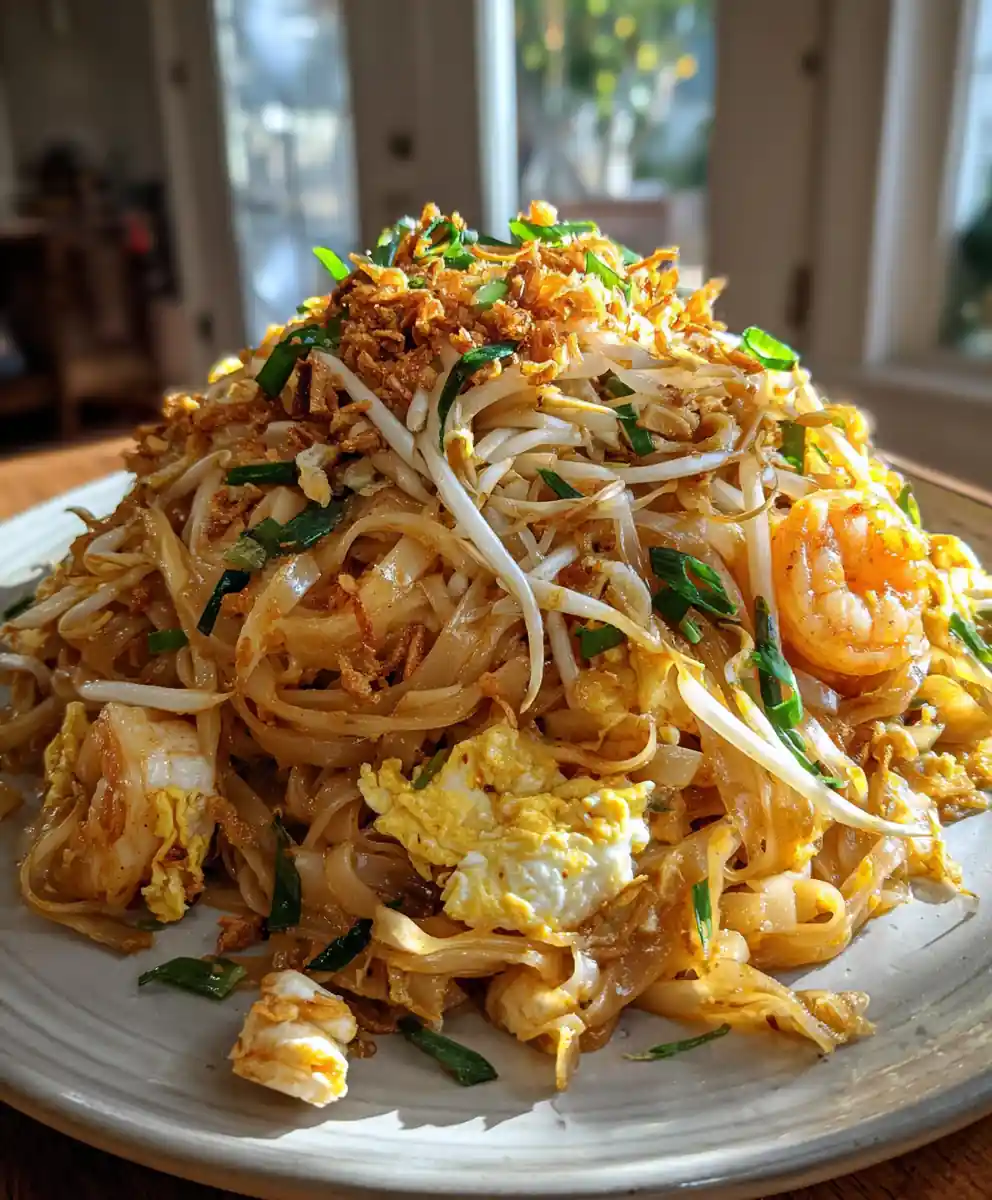
Waste-Not Wonders & Leftover Pad Thai Makeovers
Make the most of every bite and minimize waste from your delicious Pad Thai.
Repurpose any leftovers into creative new dishes:
- Pad Thai rice bowls
- Vibrant lettuce wraps
- Quick cold noodle salad
For smart meal planning:
- Freeze extra cooked chicken/shrimp portions.
- Use veggie scraps for homemade broth.
Clearly label and date containers in the fridge or freezer to minimize waste and ensure freshness.
FAQs about Traditional Pad Thai
Q: Is traditional pad thai recipe good for weekly meal prep or weight goals?
A: Yes, it’s excellent for meal prep as portions can be controlled, and you can adjust ingredients (e.g., more veggies, leaner protein, different noodles) to suit weight goals. It’s a healthy dinner idea that adapts well.
Q: Healthiest substitute for a Pad Thai if I’m gluten-free/vegan?
A: For GF, confirm rice noodles and sauces are certified gluten-free. For vegan, use extra firm tofu (about 6-8 oz), a quality vegan fish sauce, and skip the eggs. This makes a delicious, high-protein meal.
Q: Best place to buy traditional pad thai recipe ingredients locally or via grocery delivery?
A: Local Asian markets are ideal for authentic items like fresh tamarind or specific sauces. Most supermarkets carry basics, and online grocery delivery can be super convenient for specialty ingredients or organic options, especially for quick meals.
Q: How long does this dish keep and how to reheat for best texture?
A: It keeps well for 2-3 days refrigerated in an airtight container. Reheat gently on the stovetop with a splash of water or broth, or in the microwave, to maintain moisture and texture. I find a quick pan-fry works best for crispy bits.
Q: Can I make traditional pad thai recipe without tamarind paste?
A: While tamarind is essential for its authentic sweet-sour profile, you can substitute with a blend of 1.5 Tbsp lime juice, 1 Tbsp brown sugar, and 1 Tbsp rice vinegar for a similar tangy effect. It won’t be exactly the same, but still delicious.
Q: What are the key flavor notes in a good Pad Thai?
A: The perfect balance of sweet, sour, savory (umami), and a subtle spice, harmonized with fresh herbs and a satisfying crunch. It’s truly a complex yet comforting flavor profile that makes it a family-favorite meal.
Conclusion
You’ve got this! Mastering our traditional pad thai recipe means bringing delicious taste, balanced nutrition, amazing convenience, and smart savings to your family table.
Print or pin this recipe, add it to your next meal plan for healthy eating, or start your shopping list now for a truly rewarding cooking adventure!
Print
traditional pad thai recipe
- Total Time: 60 minutes
- Yield: 4 servings 1x
- Diet: General
Description
This traditional Pad Thai recipe offers a vibrant and flavorful meal with a balance of sweet, sour, and savory notes, perfect for a satisfying family dinner on busy weeknights.
Ingredients
- 7 oz dried flat rice noodles (5–7 mm wide)
- 2 tablespoons neutral cooking oil, divided
- 7 oz boneless, skinless chicken breast, thinly sliced
- 5.3 oz raw shrimp, peeled, deveined, tails on
- 2 large eggs, lightly beaten
- 2 cloves garlic, minced
- 2 oz fresh bean sprouts, plus more for garnish
- 1 oz fresh chives (cut into 1 inch lengths), plus more for garnish
- 0.5 small red radish, thinly sliced
- 4 oz firm tofu, pressed and cubed
- 0.5 cup roasted peanuts, roughly chopped
- 1–2 fresh limes, served as wedges for garnish
- 0.25 cup seedless pulp tamarind paste
- 0.25 cup hot water
- 3 tablespoons palm sugar (finely chopped) or light brown sugar
- 3 tablespoons fish sauce
- 1 tablespoon alcohol-free rice vinegar
- a pinch red pepper flakes (optional)
Instructions
- Prep Noodles: Place rice noodles in a large bowl and cover with hot tap water. Let them soak until pliable but still firm to the bite (15-20 minutes). Drain thoroughly.
- Make Pad Thai Sauce: In a small bowl, whisk together 0.25 cup tamarind paste, 0.25 cup hot water, 3 tablespoons palm sugar, 3 tablespoons fish sauce, 1 tablespoon alcohol-free rice vinegar, and a pinch of red pepper flakes (if using) until smooth (2 minutes). Set aside.
- Cook Proteins: Heat 1 tablespoon neutral cooking oil in a large wok or 12-inch non-stick skillet over medium-high heat. Add chicken and stir-fry until lightly browned and cooked through (2-3 minutes). Remove and set aside. Add remaining 1 tablespoon neutral cooking oil. Add shrimp and/or cubed firm tofu; stir-fry until pink (shrimp) or golden (tofu) (2-3 minutes). Remove and set aside.
- Scramble Eggs and Garlic: Add minced garlic to the wok and stir-fry until fragrant (30 seconds). Push garlic to one side, pour beaten eggs into empty space. Scramble eggs until just set, then break into smaller pieces and mix with garlic (2 minutes).
- Combine and Cook Noodles: Add drained rice noodles to the wok. Pour prepared Pad Thai Sauce over noodles and toss vigorously until evenly coated and slightly softened (2-3 minutes). If noodles stick, add a tablespoon of water or a bit more oil.
- Finish and Serve: Return cooked chicken, shrimp, or tofu to the wok. Add 2 oz fresh bean sprouts, 1 oz chives, and thinly sliced red radish. Toss everything together until vegetables are tender-crisp and vibrant (1-2 minutes).
Notes
For health-forward upgrades, consider organic chicken or sustainable wild-caught shrimp, low-sodium fish sauce, or whole grain rice noodles. To avoid soggy noodles, drain thoroughly and cook on high heat, taking care not to over-soak them initially. If bland, adjust with more fish sauce, lime juice, or sugar.
- Prep Time: 45 minutes
- Cook Time: 15 minutes
- Category: Main Course
- Method: Stovetop, Stir-frying
- Cuisine: Thai
Nutrition
- Serving Size: 1 serving (approx 400 g)
- Calories: 650 calories
- Sugar: 35 g
- Sodium: 1200 mg
- Fat: 25 g
- Saturated Fat: 7 g
- Unsaturated Fat: 15 g
- Trans Fat: 0 g
- Carbohydrates: 80 g
- Fiber: 4 g
- Protein: 35 g
- Cholesterol: 150 mg
FREE PRINTABLE RECIPE
Get the Printable Recipe PDF (Free)
Enter your email and we’ll send you the ingredients + step-by-step instructions as a clean PDF you can save to your phone.
- ✅ Printable PDF (ingredients + steps)
- ✅ Save it to your phone (no long scrolling)
- ✅ Includes cook time + servings
- ✅ Easy to follow
FAQ
Where’s the full recipe?
It’s delivered as a printable PDF so you can save it and cook without scrolling.
I didn’t get the email.
Check Spam/Promotions and search your inbox for your site name. Then click Confirm to receive the PDF.