I know the struggle of wanting a delicious, satisfying meal without the kitchen chaos, and this hibachi shrimp recipe delivers exactly that.
You’re about to discover a vibrant hibachi shrimp recipe that sizzles with flavor and comes together incredibly fast, perfect for those demanding weeknights.
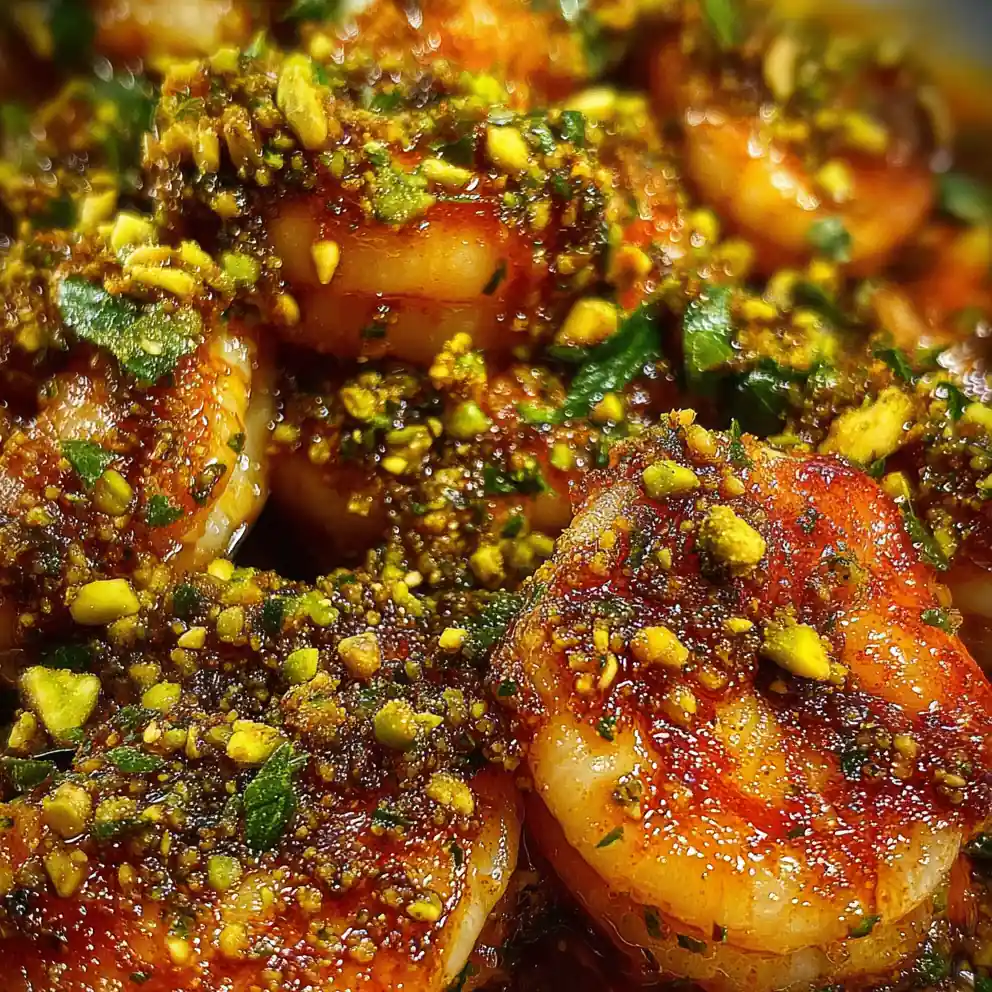
Ingredient Essentials & Substitutions for Your Hibachi Shrimp
Crafting a fantastic hibachi shrimp dish starts with fresh, quality ingredients. Here’s what you’ll need, with notes on their role in creating that signature flavor:
- Large Shrimp (450 g / 1 lb, 21-25 count): Peeled, deveined, tails on (or off for ease), offering lean protein and a quick cook.
- Vegetable Oil (15 mL / 1 tablespoon, e.g., canola, sunflower): For searing the shrimp to golden perfection.
- Sea Salt (2 g / 1/2 teaspoon, divided) & Black Pepper (1 g / 1/4 teaspoon, divided): Essential seasonings to enhance all flavors.
- Low-Sodium Soy Sauce (60 mL / 1/4 cup): The savory base for our glaze. (You can also use coconut aminos for a soy-free option.)
- Rice Vinegar (30 mL / 2 tablespoons): Adds a bright, tangy counterpoint.
- Maple Syrup (15 mL / 1 tablespoon): A touch of natural sweetness for balance. (Honey or a pinch of brown sugar works too!)
- Fresh Ginger (5 g / 1 teaspoon, grated) & Fresh Garlic (5 g / 1 teaspoon, minced): Aromatic powerhouses for authentic hibachi taste.
- Fresh Lime Juice (15 mL / 1 tablespoon): Zesty brightness that lifts the whole dish.
- Ground Sumac (2.5 g / 1/2 teaspoon, plus 1 g / 1/4 teaspoon for dukkah): Adds unique tang and color.
- Raw Pistachios (30 g / 1/4 cup, shelled): For the crunchy, aromatic dukkah topping.
- Fresh Mint Leaves (10 g / 2 tablespoons, finely chopped): Brightens the dukkah with a cool finish.
- White Sesame Seeds (5 g / 1 teaspoon): Toasted for nutty depth in the dukkah.
- Lime (1, cut into wedges): For serving, adding a final burst of fresh citrus.
Health-forward Upgrades
Elevate your hibachi shrimp recipe with mindful choices that boost nutrition and flavor:
- Choose sustainably sourced, organic shrimp for purity.
- Serve alongside whole-grain brown rice or quinoa for extra fiber.
- Use fresh, vibrant produce if you’re adding vegetables, ensuring peak nutrition.
Substitutions for Diets
Adapt this versatile hibachi shrimp recipe to fit various dietary needs with simple swaps:
- Low-carb: Enjoy with cauliflower rice or a large green salad instead of traditional rice.
- Gluten-free: Swap low-sodium soy sauce for gluten-free tamari or coconut aminos.
- High-protein: Increase shrimp portions or add a side of steamed edamame.
Seasonal Shopping Notes
While shrimp is available year-round, pairing your hibachi shrimp with fresh, seasonal produce can make a big difference. Look for crisp, vibrant vegetables like snap peas or bell peppers at your local market, adding fresh life to your easy dinner ideas.
Step-by-Step Cooking Method for Perfect Hibachi Shrimp
Follow these steps for a perfectly cooked hibachi shrimp recipe with a flavorful glaze and crunchy dukkah.
- Prep Your Shrimp (5 minutes): Pat shrimp dry; this ensures a good sear. Season with 1 g (1/4 teaspoon) sea salt and 0.5 g (1/8 teaspoon) black pepper.
- Toast Dukkah Ingredients (3-5 minutes): Heat a small, dry skillet, medium-low. Add pistachios, sesame seeds. Toast 3-5 minutes, stirring, until fragrant/golden. If they darken, they’ll be bitter. Transfer to bowl.
- Finish the Dukkah (2 minutes): Once cooled, roughly chop pistachios (or pulse briefly). Stir in chopped mint, 1 g (1/4 teaspoon) sumac, and remaining 0.5 g (1/8 teaspoon) sea salt. Set aside; this adds flavor.
- Prepare the Glaze (3 minutes): Whisk soy sauce, rice vinegar, maple syrup, ginger, garlic, lime juice, and 2.5 g (1/2 teaspoon) sumac. Add remaining 0.5 g (1/8 teaspoon) black pepper. The glaze will be tangy/sweet.
- Sear the Shrimp (2-4 minutes): Heat 15 mL oil in a 10-inch skillet, medium-high, shimmering. Add seasoned shrimp, single layer (batch if needed). Sear 1-2 minutes/side, until pink, cooked through, slight char. I love this sear!
- Glaze the Shrimp (1-2 minutes): Reduce heat to medium. Pour Sumac-Lime Glaze over shrimp. Cook 1-2 minutes, tossing, until glaze thickens and coats evenly. Do not overcook; shrimp stay tender.
- Serve Immediately (1 minute): Transfer glazed shrimp to platter. Drizzle remaining glaze. Sprinkle Pistachio-Mint Dukkah generously. Serve immediately with fresh lime wedges for brightness; a memorable high-protein meal.
Inline Optional Swaps
Customize your hibachi shrimp recipe to your taste with these easy additions:
- For a hint of spice, add a pinch of red pepper flakes to the glaze.
- A dash of grated fresh ginger in the glaze can intensify its aromatic profile.
- Garnish with toasted white sesame seeds or finely chopped green onions for extra visual appeal and flavor.
Mini-Troubleshooting Notes
Avoid common pitfalls for a perfect hibachi shrimp every time:
- If your shrimp turn rubbery, they’re likely overcooked; next time, remove them from the heat a minute sooner.
- Ensure your skillet is hot enough and not overcrowded when searing shrimp to achieve a nice char, preventing them from steaming.
Serving Ideas and Meal Contexts for Hibachi Shrimp
This hibachi shrimp recipe fits perfectly into many mealtime scenarios. It’s fantastic for quick weeknight dinners, satisfying weekend comfort food, or even as a healthy family meal. It’s also an impressive yet easy option for casual gatherings.
For pairing, I enjoy it with fluffy white rice, brown rice, cauliflower rice, or quinoa. A crisp side salad with ginger dressing or a simple miso soup are wonderful accompaniments.
Store leftover hibachi shrimp in an airtight container in the fridge for up to 2-3 days. Reheat gently on the stovetop or microwave until just warm; avoid high heat to keep the shrimp tender.
Lifestyle & Nutrition Gains from This Hibachi Shrimp Recipe
This hibachi shrimp recipe offers fantastic lifestyle and nutrition benefits.
- It’s an excellent source of lean protein for muscle health and satiety.
- Low in unhealthy fats when prepared simply, making it a wholesome choice.
- Packed with essential vitamins and minerals from the vibrant fresh vegetables.
- Using tamari makes it a naturally gluten-free option, fitting many dietary needs.
It’s ideal for easy healthy dinners for busy families, quick meal prep for lunches, or as a high-protein meal for fitness goals. This dish is heart-healthy, potentially low-carb, and easily made gluten-free or dairy-free.
Convenience & Budget Value of Homemade Hibachi Shrimp
Making your own hibachi shrimp at home provides significant convenience and budget benefits. The total time from start to finish is under 20 minutes, making it one of my go-to quick meals with minimal cleanup too.
Homemade hibachi shrimp is much cheaper than restaurant versions, often costing just $3-$5 per serving. Save money by buying frozen shrimp on sale and seasonal vegetables.
Double the recipe for easy meal prep. For best reheating texture, cook shrimp and vegetables separately, then combine when ready to serve.
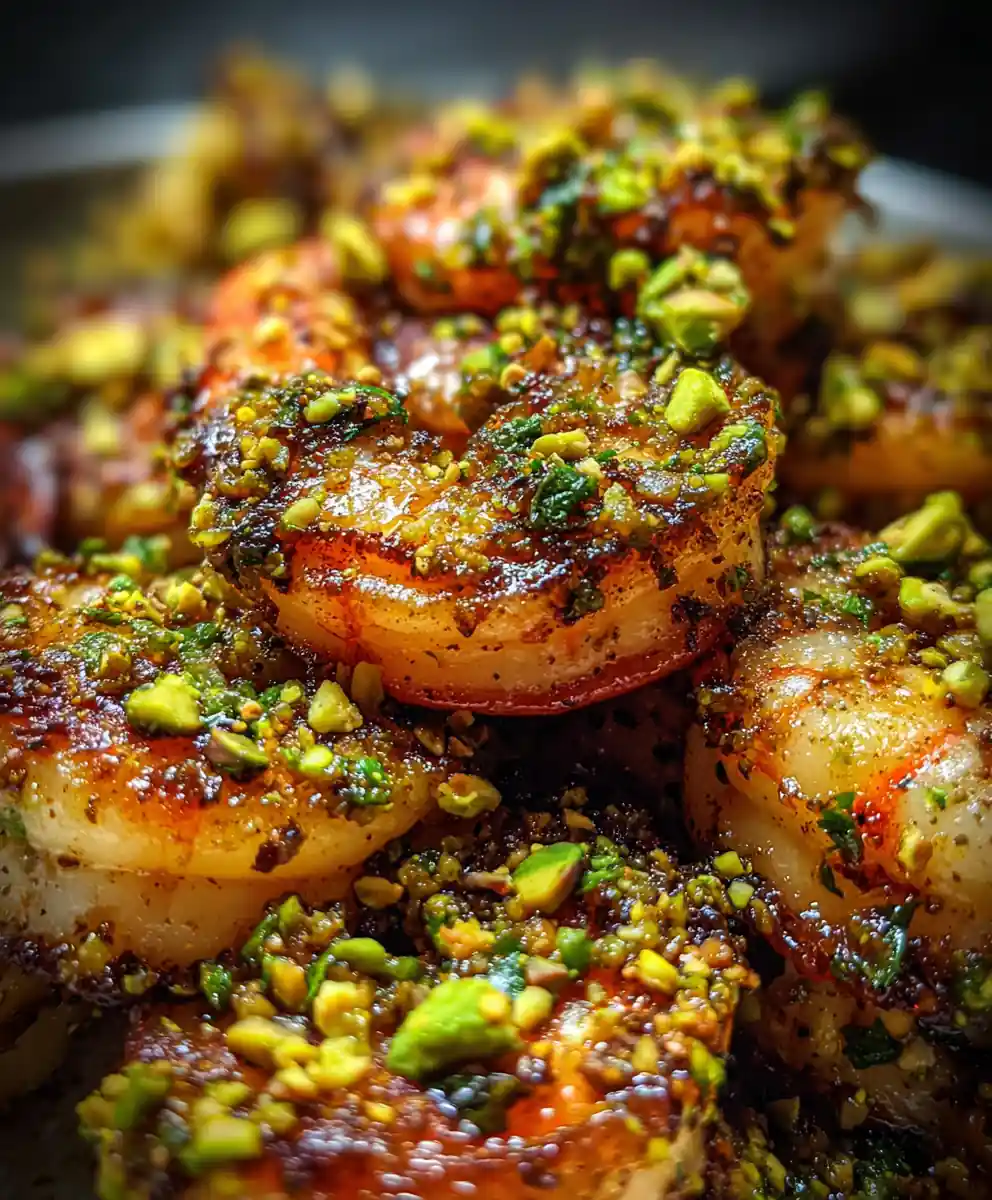
Ingredient Shopping & Online Ordering for Hibachi Shrimp
Finding ingredients for your hibachi shrimp recipe is straightforward. Most supermarkets carry good quality frozen or fresh shrimp. Asian markets offer specialty sauces and a wider variety of fresh produce, and online delivery makes shopping effortless.
Choose sustainably sourced shrimp (check certifications) and fresh, vibrant vegetables. Ensure frozen shrimp has no freezer burn. Opt for low-sodium soy sauce for health.
For specialty substitutes like gluten-free tamari or specific Asian condiments, check health food stores or the international aisle of larger supermarkets.
Expert-Level Tips & Adjustments for Your Hibachi Shrimp
To elevate your hibachi shrimp, consider these expert tips. If using a smaller pan, sear shrimp in batches to prevent overcrowding, helping them brown instead of steam. I often deglaze the pan with a splash of vegetable broth after cooking shrimp for extra flavor before adding sauce.
Adjust seasoning to taste: add Sriracha or red pepper flakes for heat, or a tiny drizzle of honey or maple syrup for sweetness. Be mindful of soy sauce to control saltiness.
For shellfish allergies, chicken breast, firm tofu, or beef sirloin slices are great substitutes. Always check sauce labels for gluten or other allergens if needed.
Frequently Asked Questions About Hibachi Shrimp
Q: Can this dish be part of a healthy weight plan?
A: Absolutely! This recipe is lean, high in protein, and packed with fresh vegetables. It makes an excellent choice for weight management, especially when paired with light sides like cauliflower rice or a simple salad.
Q: What’s the best substitute for shrimp in this recipe?
A: You can easily swap shrimp for chicken breast, firm tofu, or even thin slices of beef sirloin. Just adjust cooking times as needed to ensure your chosen protein is properly cooked through and tender.
Q: Where can I buy fresh hibachi shrimp ingredients online?
A: Many major grocery chains now offer online ordering and delivery services where you can find fresh shrimp, organic vegetables, and specialty sauces. Services like Amazon Fresh or your local supermarket’s delivery are good options for convenience.
Q: How long does hibachi shrimp last in the fridge/freezer?
A: Cooked hibachi shrimp keeps well in an airtight container in the refrigerator for 2-3 days. I don’t typically recommend freezing cooked shrimp for this dish, as the texture can become quite rubbery upon thawing and reheating.
Q: Can I make hibachi shrimp ahead of time for meal prep?
A: Yes, you can definitely prep your vegetables and mix the sauce ahead of time. For the best texture, I suggest cooking the shrimp and veggies just before serving, or storing them separately to combine when reheating. This ensures everything stays fresh.
Q: What kind of pan is best for making hibachi shrimp?
A: A large skillet, a wok, or a cast-iron pan all work wonderfully for making this type of dish. The key is having enough surface area to cook your ingredients quickly over high heat without overcrowding, which ensures a good sear.
This easy hibachi shrimp recipe delivers incredible flavor and nutrition in a flash, making healthy eating simple and enjoyable for your whole family. Pin this recipe to your meal plan board to ensure quick meals and family dinners are always within reach!
Print
hibachi shrimp recipe
- Total Time: 20 minutes
- Yield: 2–3 servings 1x
- Diet: General
Description
This vibrant hibachi shrimp recipe delivers a delicious, satisfying meal without kitchen chaos. It sizzles with flavor and comes together incredibly fast, perfect for demanding weeknights.
Ingredients
- 450 g (1 lb) large shrimp, 21–25 count, peeled, deveined, tails on (or off for ease)
- 15 mL (1 tablespoon) vegetable oil (e.g., canola, sunflower)
- 2 g (0.5 teaspoon) sea salt, divided
- 1 g (0.25 teaspoon) black pepper, divided
- 60 mL (0.25 cup) low-sodium soy sauce (or coconut aminos for a soy-free option)
- 30 mL (2 tablespoons) rice vinegar
- 15 mL (1 tablespoon) maple syrup (honey or a pinch of brown sugar works too)
- 5 g (1 teaspoon) fresh ginger, grated
- 5 g (1 teaspoon) fresh garlic, minced
- 15 mL (1 tablespoon) fresh lime juice
- 3.5 g (0.75 teaspoon) ground sumac (0.5 teaspoon plus 0.25 teaspoon for dukkah)
- 30 g (0.25 cup) raw pistachios, shelled
- 10 g (2 tablespoons) fresh mint leaves, finely chopped
- 5 g (1 teaspoon) white sesame seeds
- 1 lime, cut into wedges, for serving
Instructions
- Prep Shrimp: Pat shrimp dry. Season with 0.25 teaspoon sea salt and 0.125 teaspoon black pepper.
- Toast Dukkah Ingredients: Heat a small, dry skillet over medium-low heat. Add pistachios and sesame seeds. Toast for 3-5 minutes, stirring, until fragrant and golden. Transfer to a bowl.
- Finish Dukkah: Once cooled, roughly chop the pistachios (or pulse briefly). Stir in chopped mint, 0.25 teaspoon sumac, and the remaining 0.125 teaspoon sea salt. Set aside.
- Prepare Glaze: Whisk together soy sauce, rice vinegar, maple syrup, ginger, garlic, lime juice, and 0.5 teaspoon sumac. Add the remaining 0.125 teaspoon black pepper.
- Sear Shrimp: Heat 15 mL oil in a 10-inch skillet over medium-high heat until shimmering. Add the seasoned shrimp in a single layer (batch if needed). Sear for 1-2 minutes per side, until pink, cooked through, and with a slight char.
- Glaze Shrimp: Reduce heat to medium. Pour the Sumac-Lime Glaze over the shrimp. Cook for 1-2 minutes, tossing, until the glaze thickens and coats evenly.
- Serve Immediately: Transfer the glazed shrimp to a platter. Drizzle any remaining glaze over the shrimp. Sprinkle generously with Pistachio-Mint Dukkah. Serve immediately with fresh lime wedges.
Notes
To avoid rubbery shrimp, do not overcook them; remove from heat a minute sooner if needed. Ensure your skillet is hot enough and not overcrowded when searing shrimp to achieve a nice char and prevent steaming. Customize with a pinch of red pepper flakes or extra ginger in the glaze, or garnish with toasted sesame seeds or chopped green onions for extra flavor.
- Prep Time: 15 minutes
- Cook Time: 5 minutes
- Category: Main Course
- Method: Stovetop
- Cuisine: Japanese
Nutrition
- Serving Size: 150 g
- Calories: 400 calories
- Sugar: 10 g
- Sodium: 500 mg
- Fat: 12 g
- Saturated Fat: 3 g
- Unsaturated Fat: 9 g
- Trans Fat: 0 g
- Carbohydrates: 10 g
- Fiber: 3 g
- Protein: 38 g
- Cholesterol: 280 mg
FREE PRINTABLE RECIPE
Get the Printable Recipe PDF (Free)
Enter your email and we’ll send you the ingredients + step-by-step instructions as a clean PDF you can save to your phone.
- ✅ Printable PDF (ingredients + steps)
- ✅ Save it to your phone (no long scrolling)
- ✅ Includes cook time + servings
- ✅ Easy to follow
FAQ
Where’s the full recipe?
It’s delivered as a printable PDF so you can save it and cook without scrolling.
I didn’t get the email.
Check Spam/Promotions and search your inbox for your site name. Then click Confirm to receive the PDF.